St. Columba of Iona: Irish Monk and Apostle of Scotland
Quick answer
St. Columba (521–597), known in Irish as Columcille, "dove of the Church," was a prince of the Uí Néill family who became a monk, poet and founder of monasteries in Ireland. In 563 he sailed with twelve companions to the island of Iona, off Scotland, and founded a monastery that became a great center of mission to the Picts and the Northumbrians. He is one of the three patron saints of Ireland. His feast is June 9.
Key takeaways
- His biography was written about a century later by Adomnán, ninth abbot of Iona.
- A tradition links his exile to a dispute over a copied book of psalms.
- Iona became the base for evangelizing Scotland and northern England.
- He died before the altar at Iona in 597, blessing his monks.
On a small, windswept island off the west coast of Scotland, an Irish monk built a monastery whose light spread across Britain. St. Columba is a patron of Ireland, of Scotland, and of all who leave home for the sake of the Gospel.
A Prince and a Monk
Columba was born on December 7, 521, at Gartan, in County Donegal, into the royal Uí Néill family. He could have been a king. Instead he became a monk, studied under some of the great Irish teachers, and was ordained a priest. He founded monasteries at Derry, Durrow and elsewhere. He was a poet and loved books.
The Battle and the Exile
A famous tradition says that Columba secretly copied a psalter belonging to his teacher, St. Finnian. Finnian claimed the copy, and the king ruled, “To every cow its calf, to every book its copy.” Not long after, in 561, a battle was fought at Cúl Dreimne involving Columba’s family, and many died. Whether or not the book was the cause, Columba felt responsible. Tradition says he resolved to win for Christ as many souls as had been lost.
Iona
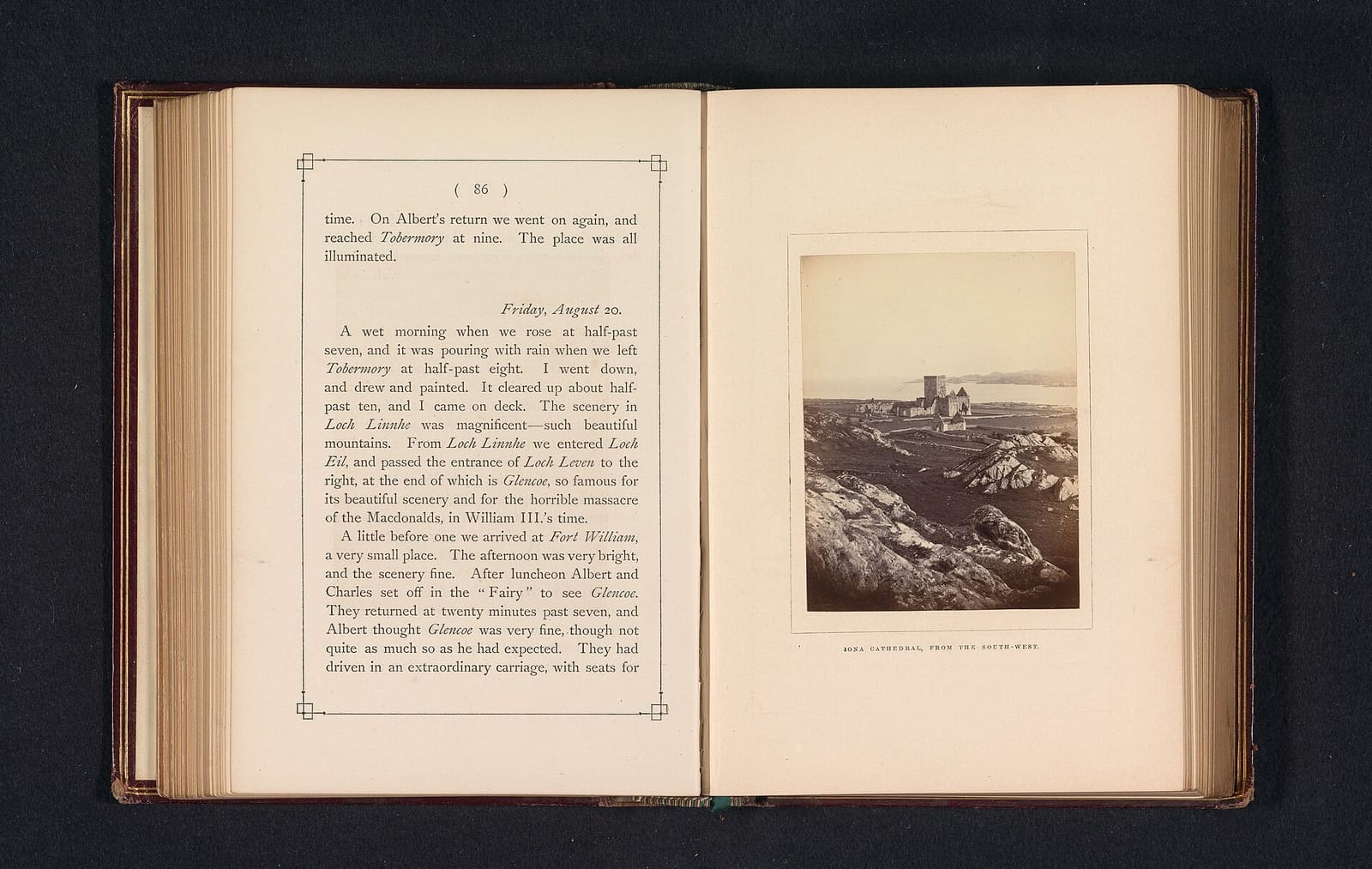
In 563, at about forty-two, he sailed with twelve companions to the island of Iona. There they built a simple monastery of wood and wattle. The monks prayed, studied, copied Scripture, farmed and welcomed guests.
From Iona, Columba traveled to the court of the Pictish king Bridei and preached in the north of Scotland. Iona’s monks later carried the faith to Northumbria, where St. Aidan founded Lindisfarne.
His Gentle Death
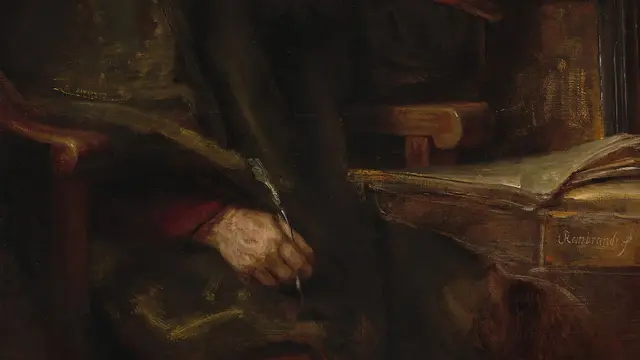
Adomnán, who wrote Columba’s life about a hundred years later, gives a moving account of his last days. Columba blessed the island and its grain. An old white horse that carried milk pails came and laid its head on his breast, weeping. He returned to his cell and copied the psalter, stopping at Psalm 33: “But they that seek the Lord shall not be deprived of any good.” He said the rest should be written by his successor.
At midnight on June 9, 597, he went to the church before the others, knelt at the altar, and died as his monks gathered around him, his hand raised in blessing.
A Prayer for Those Far from Home (Original Prayer)
St. Columba, you left your homeland for Christ. Pray for missionaries, migrants and all far from home. Help me to give up what I must, and to bring light wherever God sends me. Amen.
Continue Reading
Read about St. Patrick, St. Brigid, St. Brendan, or St. Bede, who wrote about Iona.
Frequently asked questions
When is the feast of St. Columba?
June 9.
What does the name Columcille mean?
It means "dove of the Church." Columba is Latin for dove.
Is the Book of Kells connected to Columba?
Yes, indirectly. The Book of Kells was probably made by the monks of Iona around 800, in his honor, and later taken to Kells in Ireland.
Sources
- Adomnán of Iona, Life of St. Columba (about 700)
- St. Bede, Ecclesiastical History of the English People, III.4
- Roman Martyrology, June 9