St. Norbert: Founder of the Norbertines and Apostle of the Eucharist
Quick answer
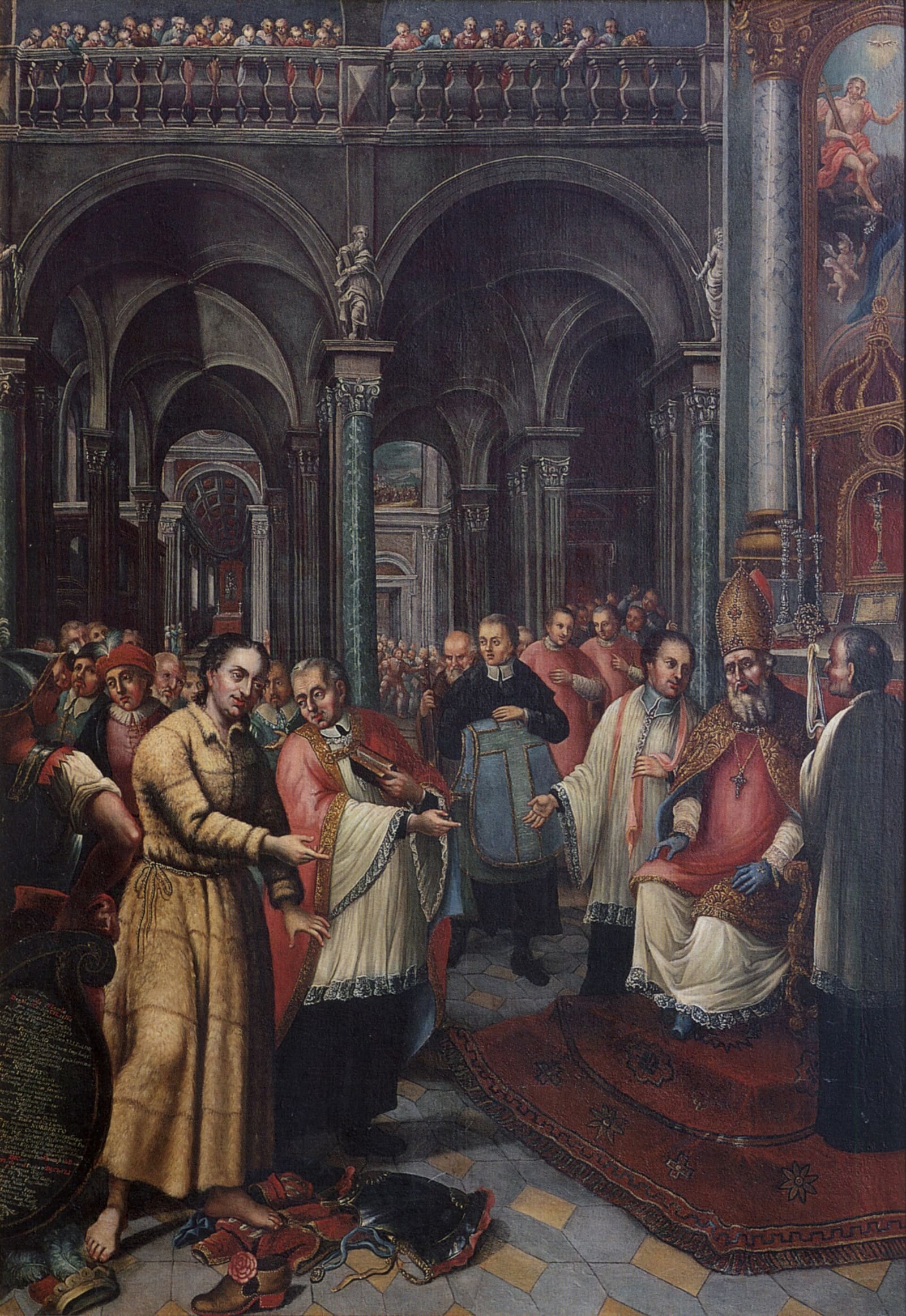
St. Norbert (about 1080–1134) was a German nobleman and court cleric who lived a comfortable, worldly life until a narrow escape in a thunderstorm in 1115 led him to conversion. He became a priest, a wandering preacher, and in 1120 founded a community of canons at Prémontré, in France, who became the Premonstratensians or Norbertines. He was later archbishop of Magdeburg. He is often shown holding a monstrance. His feast is June 6.
Key takeaways
- He was a canon of Xanten and served at the imperial court.
- Lightning struck near him while riding, throwing him from his horse.
- He founded the Norbertine order at Prémontré in 1120 under the Rule of St. Augustine.
- He is honored for promoting devotion to the Eucharist.
Like St. Paul, St. Norbert was knocked to the ground and woke up a different man. He went on to found a religious order that still serves the Church nine hundred years later.
A Worldly Cleric
Norbert was born around 1080 in Xanten, in the Rhineland of Germany, into a noble family. As a young man he became a canon of the church at Xanten, which gave him a comfortable income, and served at the court of the archbishop of Cologne and of Emperor Henry V. He was ordained only a subdeacon and lived much like any courtier.
The Thunderstorm
In 1115, while riding to a nearby town, Norbert was caught in a violent storm. Lightning struck the ground in front of his horse, which threw him. He lay stunned for some time. When he came to, he asked, like Paul, “Lord, what wilt thou have me to do?” He seemed to hear the answer: turn from evil and do good.
He went home, made a retreat at a monastery, and was ordained a priest. He tried to reform his fellow canons at Xanten, who resented him. He gave away his property and became a wandering preacher, walking barefoot through France, Belgium and Germany. The pope gave him permission to preach wherever he went.
Prémontré
In 1120, at the request of the bishop of Laon, Norbert gathered followers in the valley of Prémontré. They lived as canons regular under the Rule of St. Augustine, combining the prayer and community life of monks with the active ministry of priests. The order, approved in 1126, spread quickly.
Archbishop of Magdeburg
In 1126 Norbert was made archbishop of Magdeburg, in eastern Germany. He worked to reform the clergy and recover church property, which made him enemies, and he survived assassination attempts. He was a close adviser to Emperor Lothair III and supported Pope Innocent II during a schism, alongside St. Bernard of Clairvaux.
Apostle of the Eucharist
Norbert had a deep devotion to the Blessed Sacrament. Tradition says that in Antwerp he restored faith in the Real Presence after a preacher had led many astray. He is usually shown holding a monstrance.
He died in Magdeburg on June 6, 1134, and was canonized in 1582.
A Prayer Before the Blessed Sacrament (Original Prayer)
St. Norbert, you loved Jesus in the Eucharist. Deepen my faith in His Real Presence, make me reverent at Mass, and turn my heart from worldly things to Him. Amen.
Continue Reading
Read about St. Bernard of Clairvaux, his friend, St. Augustine, whose Rule he followed, or St. Paul.
Frequently asked questions
When is the feast of St. Norbert?
June 6, the day he died in 1134.
Who are the Norbertines?
Canons regular who live in community under the Rule of St. Augustine and serve in parishes, schools and abbeys. They are also called Premonstratensians, after Prémontré, and in the United States run St. Norbert College in Wisconsin.
Why is St. Norbert shown with a monstrance?
Because of his strong devotion to the Eucharist and a tradition that he restored faith in the Real Presence in Antwerp, where a preacher named Tanchelm had denied it.
Sources
- Vita Norberti (twelfth century)
- Pope Gregory XIII, Canonization (1582)
- Roman Martyrology, June 6