St. James the Greater: Apostle, Martyr and Patron of Pilgrims
Quick answer
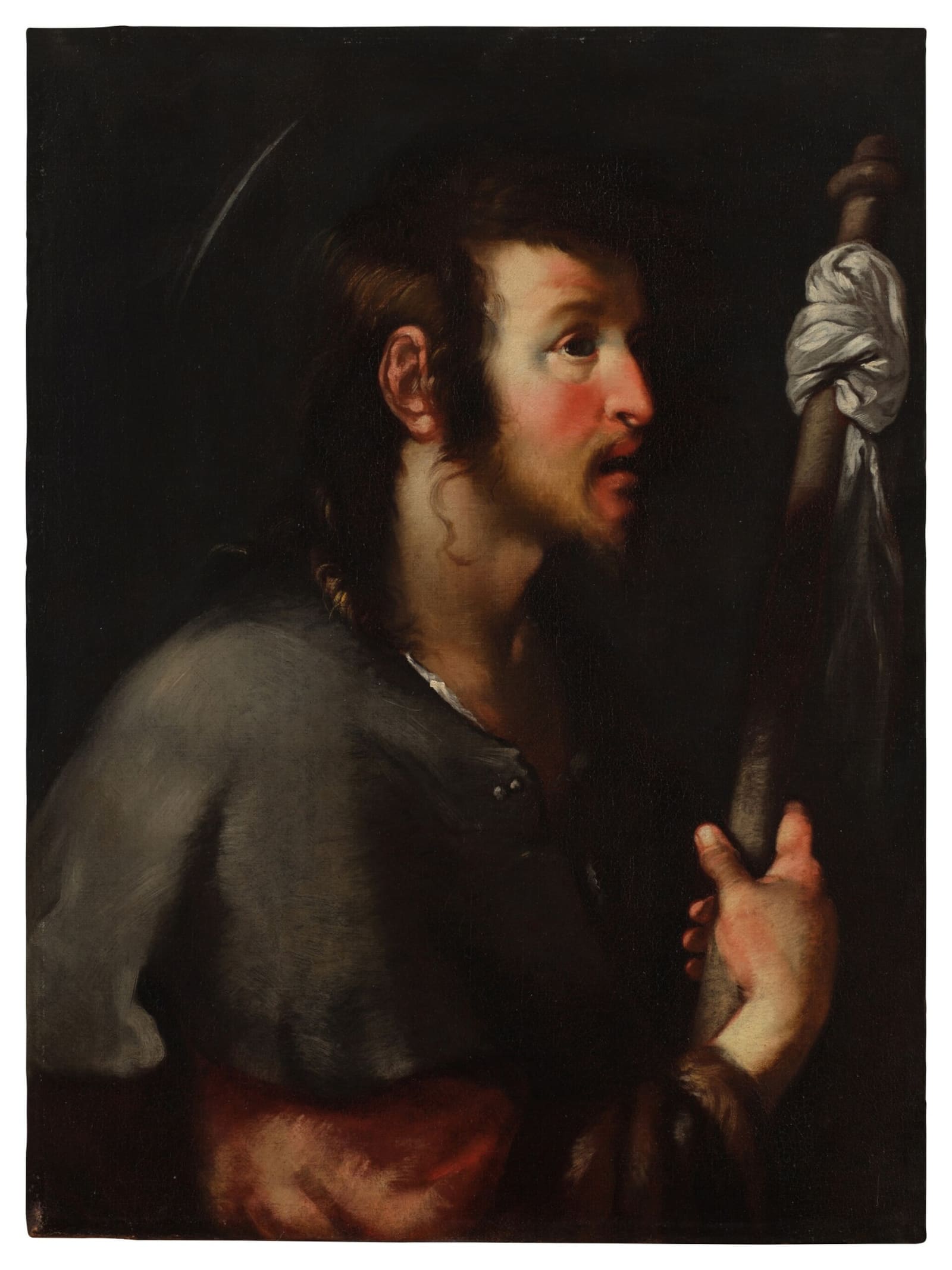
St. James the Greater was a Galilean fisherman, son of Zebedee and brother of St. John. With Peter and John he was one of the three apostles closest to Jesus, present at the Transfiguration and in Gethsemane. He was beheaded by King Herod Agrippa I around 44, the first apostle to be martyred (Acts 12:2). Tradition links him with Spain and his shrine at Santiago de Compostela. His feast is July 25.
Key takeaways
- Jesus called James and John "Boanerges," sons of thunder.
- He witnessed the raising of Jairus's daughter, the Transfiguration and the agony in the garden.
- He is the only apostle whose martyrdom is recorded in the New Testament.
- The Camino de Santiago, a pilgrimage to his tomb, draws hundreds of thousands each year.
St. James was impulsive, ambitious and fiercely loyal. Jesus took that fiery heart and made it into the heart of an apostle who was the first to die for Him.
A Son of Thunder
James and his younger brother John were fishermen on the Sea of Galilee, working with their father Zebedee. When Jesus called them, “they forthwith left their nets and father, and followed him” (Matthew 4:22, Douay-Rheims).
Jesus nicknamed the brothers Boanerges, “sons of thunder” (Mark 3:17). When a Samaritan village refused to welcome Jesus, they asked whether they should call down fire from heaven. Jesus rebuked them (Luke 9:54-55). On another occasion they asked to sit at His right and left in His glory. Jesus asked whether they could drink the cup He would drink, and they said they could (Mark 10:35-39).
One of the Three
With Peter and John, James was among the apostles closest to Jesus. He was present when Jesus raised the daughter of Jairus, when He was transfigured on the mountain, and when He prayed in agony in Gethsemane.
The First Apostle to Die
Jesus’ words about the cup came true. Around the year 44, King Herod Agrippa I began persecuting the Church in Jerusalem:
And he killed James the brother of John with the sword. (Acts 12:2, Douay-Rheims)
He was the first of the Twelve to give his life for Christ.
Santiago de Compostela
An ancient tradition says that James preached in Spain before his death, and that his body was carried there by his disciples. In the ninth century a tomb in Galicia, in northwest Spain, was venerated as his, and the great city and cathedral of Santiago de Compostela grew up around it.
For more than a thousand years, pilgrims have walked the Camino de Santiago, the Way of St. James, from across Europe. Today hundreds of thousands make the journey each year, many on foot. The scallop shell they carry is his symbol.
James is patron of Spain, of pilgrims and of laborers.
A Prayer for Pilgrims (Original Prayer)
St. James, you left your nets to follow Jesus and drank the cup He offered you. Walk with all pilgrims and travelers, and help me on the road of life to reach my true home in heaven. Amen.
Continue Reading
Read about his brother St. John the Apostle, St. Peter, or St. Andrew.
Frequently asked questions
When is the feast of St. James the Greater?
July 25.
Why is he called "the Greater"?
To distinguish him from the other apostle James, son of Alphaeus, called "the Less." It may refer to his age, height, or the earlier date of his call.
What does the scallop shell mean?
The scallop shell, found on the coast of Galicia, became the badge of pilgrims to Santiago and the symbol of St. James.
Sources
- Gospels of Mark 1:19-20; 3:17; 5:37; 9:2; 10:35-45; 14:33 (Douay-Rheims)
- Acts of the Apostles 12:1-2 (Douay-Rheims)
- Pope Benedict XVI, General Audience on St. James the Greater (June 21, 2006)