St. Teresa of Ávila: Carmelite Reformer, Mystic and Doctor of the Church
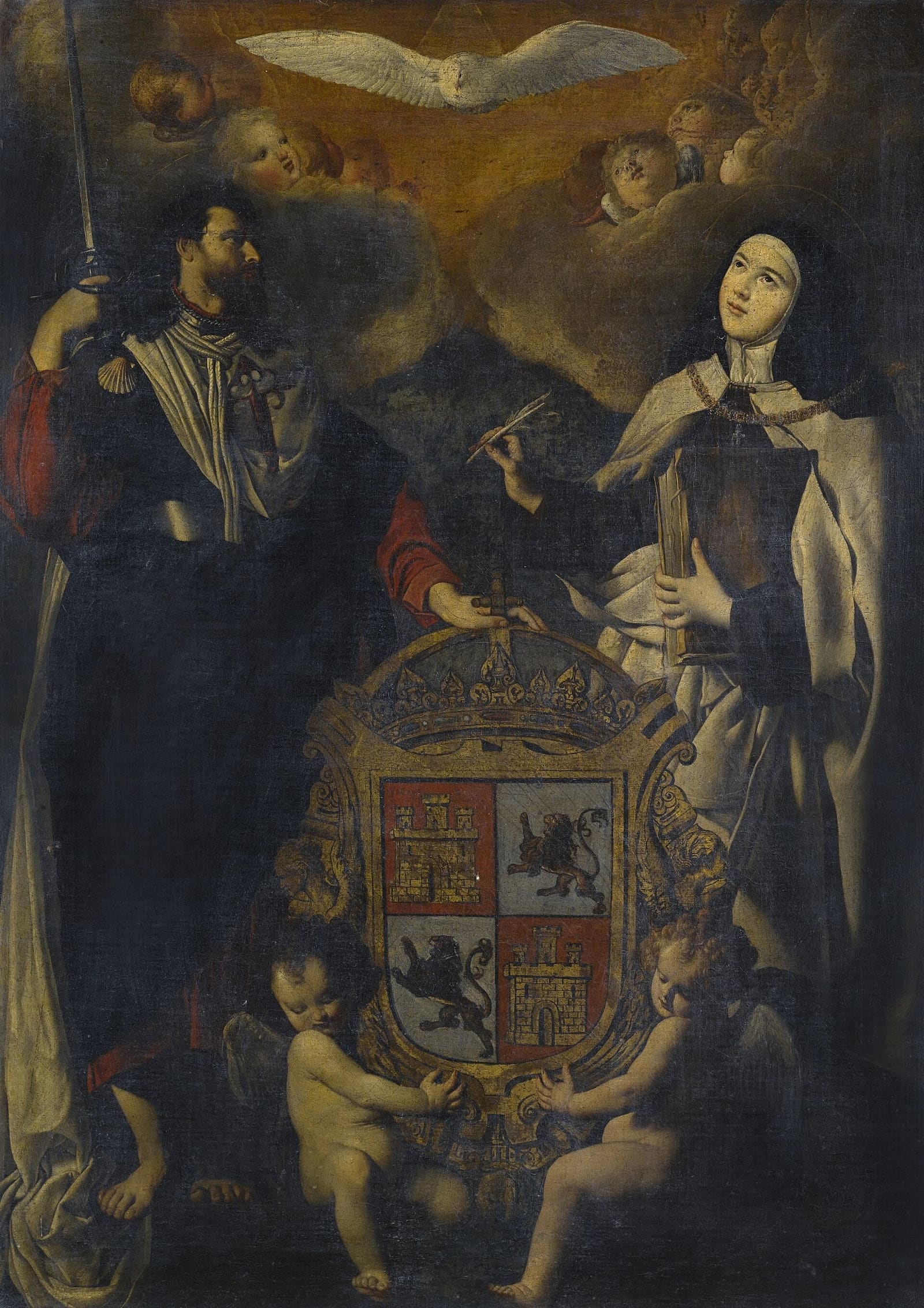
Quick answer
St. Teresa of Jesus, known as Teresa of Ávila (1515–1582), was a Spanish Carmelite nun who, after years of lukewarm prayer, experienced a deep conversion in her forties. She founded the Discalced Carmelites to return to a simpler, poorer life of prayer, and wrote classics on the spiritual life, including The Interior Castle. In 1970 she became the first woman declared a Doctor of the Church. Her feast is October 15.
Key takeaways
- She entered the Carmelite convent of the Incarnation in Ávila at about twenty.
- For nearly twenty years her prayer was dry and distracted, until a deeper conversion around age 39.
- With St. John of the Cross she reformed the Carmelite order, founding seventeen convents.
- She described prayer as a friendly conversation with the One we know loves us.
St. Teresa of Ávila is proof that it is never too late to begin praying seriously. For years she was a good but ordinary nun. Then she let God take hold of her life, and she became one of the great teachers of prayer in the history of the Church.
Early Life
Teresa Sánchez de Cepeda y Ahumada was born in Ávila, Spain, on March 28, 1515. As a little girl she and her brother ran off to seek martyrdom among the Moors. An uncle found them on the road and brought them home. Her mother died when she was about fourteen, and Teresa, frightened and grieving, asked Our Lady to be her mother.
At about twenty she entered the Carmelite convent of the Incarnation in Ávila.
Two Decades of Struggle
Life at the Incarnation was comfortable and full of visitors. Teresa was lively, charming and popular, and for nearly twenty years her prayer was dry and distracted. She suffered serious illness. She later wrote that she often wanted the hour of prayer to end.
Around 1554, before an image of the wounded Christ, she was moved to tears and felt her heart change. From then on prayer became the center of her life.
The Reform
Teresa wanted a simpler, poorer and more prayerful Carmel. In 1562 she founded the small convent of St. Joseph in Ávila, where the sisters lived in enclosure, poverty and silence. Over the next twenty years, often ill and traveling by mule cart over bad roads, she founded seventeen convents. With the young friar St. John of the Cross, she brought the reform to the men’s houses as well. These became the Discalced Carmelites.
What She Taught About Prayer
Teresa described mental prayer as nothing other than an intimate sharing between friends, taking time often to be alone with Him who we know loves us. The Catechism quotes these words (CCC 2709). In The Interior Castle she pictures the soul as a castle of many rooms, with God dwelling at the center, drawing us ever deeper.
She was also practical and funny. She warned against gloomy piety and once wrote that she feared a sad nun more than many evil spirits.
Her Death
She died at Alba de Tormes on October 4, 1582. That very night Spain switched to the Gregorian calendar, so the next day was October 15. She was canonized in 1622, and in 1970 St. Paul VI made her the first woman Doctor of the Church.
A Prayer in the Spirit of St. Teresa (Original Prayer)
Lord, You are my friend, and You love me. Help me make time each day to be alone with You. When prayer is dry, keep me faithful. Let nothing disturb me, for You alone are enough. Amen.
Continue Reading
Read about St. John of the Cross, St. Thérèse of Lisieux, another great Carmelite, or St. Catherine of Siena.
Frequently asked questions
When is the feast of St. Teresa of Ávila?
October 15.
What are her most famous books?
Her Life (autobiography), The Way of Perfection, and The Interior Castle, which describes the soul as a castle with many rooms and God at its center.
What is "Let nothing disturb you"?
It is a short poem found in her breviary after her death. It ends with the words "God alone suffices."
Sources
- St. Teresa of Jesus, The Book of Her Life
- St. Teresa of Jesus, The Interior Castle and The Way of Perfection
- Pope St. Paul VI, Proclamation as Doctor of the Church (September 27, 1970)
- Catechism of the Catholic Church, no. 2709