St. Thomas Becket: Archbishop of Canterbury and Martyr
Quick answer
St. Thomas Becket (1118 or 1120–1170) was the son of a London merchant who rose to become chancellor of England and close friend of King Henry II. When Henry made him Archbishop of Canterbury in 1162, Thomas changed his life, embraced prayer and penance, and resisted the king's efforts to control the Church. After years of conflict and exile, he was murdered by four knights in Canterbury Cathedral on December 29, 1170. He was canonized in 1173. His feast is December 29.
Key takeaways
- As chancellor he lived in luxury and served the king faithfully.
- As archbishop he became a man of prayer and penance and defended the rights of the Church.
- He spent six years in exile in France.
- His tomb at Canterbury became one of the great pilgrimage shrines of Europe.
Few saints made a more dramatic turnaround than St. Thomas Becket. He went from the king’s worldly chancellor to a bishop who gave his life rather than surrender the freedom of the Church.
The King’s Friend
Thomas was born in London around 1118 or 1120, the son of a Norman merchant. He was educated in London and Paris and entered the household of Theobald, Archbishop of Canterbury, who sent him to study law and made him archdeacon.
In 1155 the young King Henry II made Thomas chancellor of England. They became close friends. Thomas was brilliant, efficient and fond of luxury, with fine clothes, horses and a great household.
A Changed Man
When Archbishop Theobald died, Henry made Thomas archbishop of Canterbury in 1162, expecting a loyal ally. Thomas warned him that their friendship would turn to hatred. He was ordained priest and consecrated bishop, resigned as chancellor, and began to live a life of prayer, penance and care for the poor, wearing a hair shirt under his robes.
Conflict and Exile
Henry wanted to bring the Church under royal control, including the right to try clergy in royal courts. In 1164 he presented the Constitutions of Clarendon. Thomas at first gave in, then repented and refused. Threatened, he fled to France, where he lived for six years, partly at the Cistercian abbey of Pontigny.
Martyrdom in the Cathedral
In 1170 a fragile peace allowed Thomas to return. But the conflict soon flared again. In Normandy, Henry is reported to have exclaimed in rage against the archbishop. Four knights rode to Canterbury.
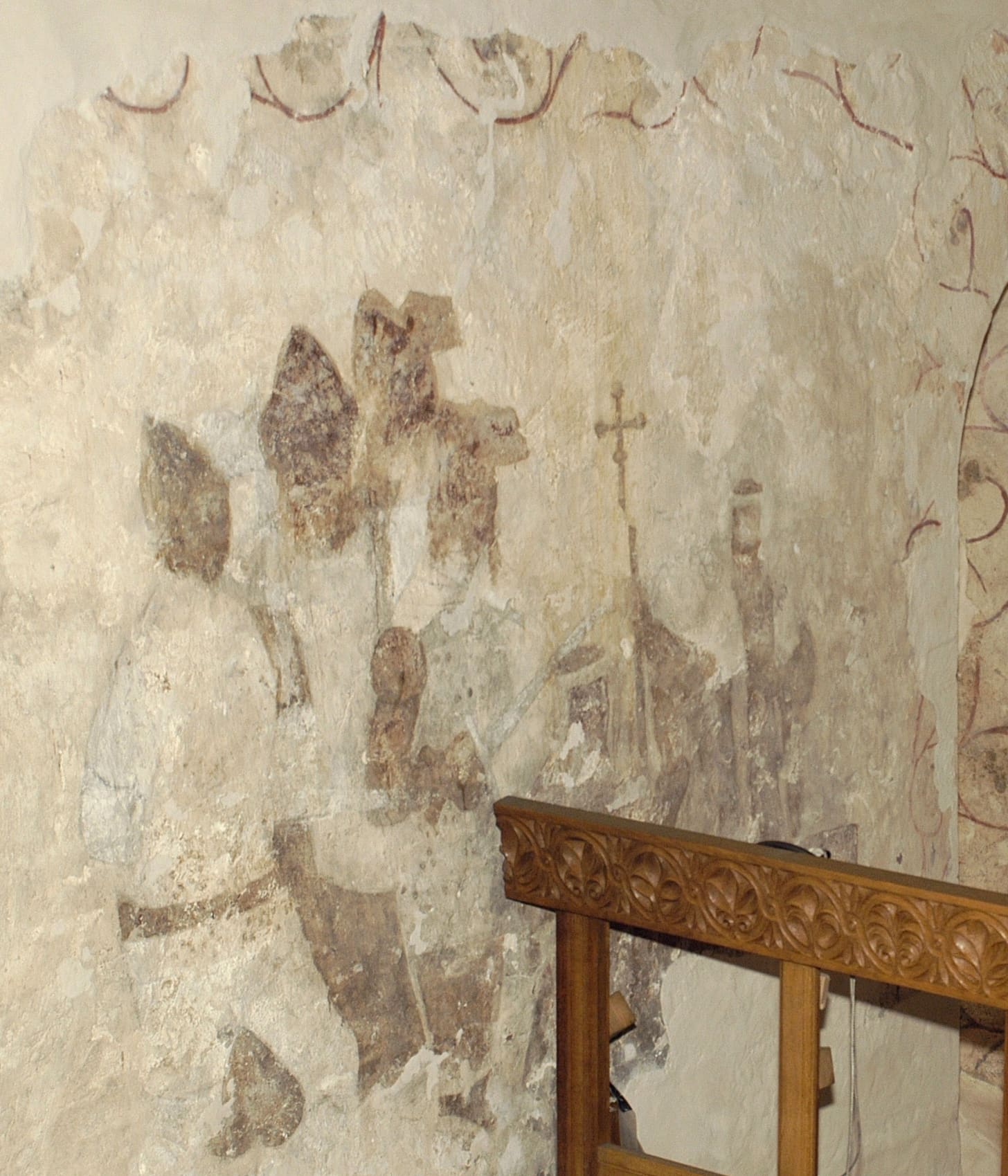
On the evening of December 29, 1170, they found Thomas in the cathedral at the hour of Vespers. He refused to flee or to bar the doors, saying a church is not a fortress. They struck him down. An eyewitness, the monk Edward Grim, who was wounded trying to protect him, recorded that Thomas commended himself to God and said he was ready to die for the name of Jesus and the protection of the Church.
A Shrine for Pilgrims
All Europe was shocked. Thomas was canonized in 1173. In 1174 Henry II did public penance at his tomb. Canterbury became one of the great shrines of the Middle Ages, as Chaucer’s Canterbury Tales remembers. In 1538 King Henry VIII destroyed the shrine.
A Prayer for Courage in Conscience (Original Prayer)
St. Thomas Becket, God changed your heart, and you gave your life for the Church. Help me turn from worldly comfort, stand firm in conscience, and serve God before all others. Amen.
Continue Reading
Read about St. Anselm, another archbishop of Canterbury who stood up to a king, St. Stephen, or the Holy Innocents.
Frequently asked questions
When is the feast of St. Thomas Becket?
December 29.
What did King Henry II say?
Chroniclers report that he cried out in anger against Thomas, words often remembered as "Will no one rid me of this turbulent priest?" Four knights took this as a command.
Did Henry II do penance for Thomas's murder?
Yes. In 1174 the king walked barefoot to Canterbury and was scourged at Thomas's tomb.
Sources
- Edward Grim, eyewitness account of the martyrdom
- William FitzStephen, Life of St. Thomas Becket
- Pope Alexander III, Canonization (1173)