St. Firmin of Amiens: Martyr Bishop and Patron of Pamplona
Quick answer
St. Firmin, called San Fermín in Spanish, is honored as a native of Pamplona in Spain who became a missionary bishop in Gaul and the first bishop of Amiens, where he was beheaded, probably around 303. He is patron of Pamplona and of the region of Navarre. His feast in the Roman Martyrology is September 25, while Pamplona celebrates him each July 7 with the famous San Fermín festival.
Key takeaways
- Tradition says he was converted in Pamplona by disciples of St. Saturninus of Toulouse.
- He preached in southern and northern Gaul and settled in Amiens.
- He was arrested and beheaded in prison at Amiens.
- Pamplona's festival, known for the running of the bulls, began as a religious celebration in his honor.
Each July, people in red neckerchiefs fill the streets of Pamplona, Spain, and sing a prayer to their patron, St. Firmin, before the running of the bulls. Behind the festival is an ancient bishop and martyr.
A Son of Pamplona
According to the traditional account of his life, Firmin was born in Pamplona, in northern Spain, in the third century, the son of a Roman senator named Firmus. His family was converted to the faith by a priest named Honestus, a disciple of St. Saturninus, the martyr-bishop of Toulouse. Firmin was baptized and trained for the priesthood.
Missionary to Gaul
Ordained a priest, and later a bishop, Firmin set out as a missionary into Gaul. He preached in the regions of the Garonne and the Loire, and finally reached Amiens, in the north. There he preached with great success, and many people were baptized.
Martyrdom at Amiens
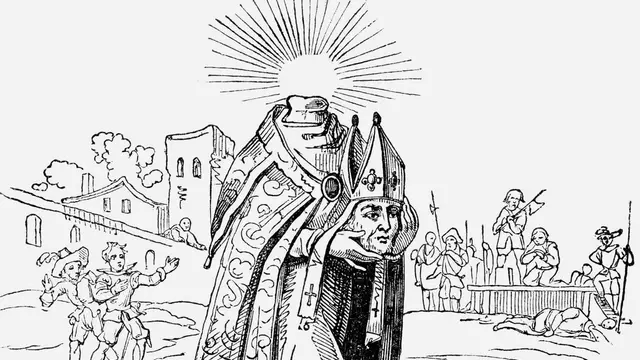
During a time of persecution, probably under Diocletian around 303, the Roman governor had Firmin arrested. He refused to stop preaching or to sacrifice to the gods. He was beheaded in prison, and Christians secretly buried his body.
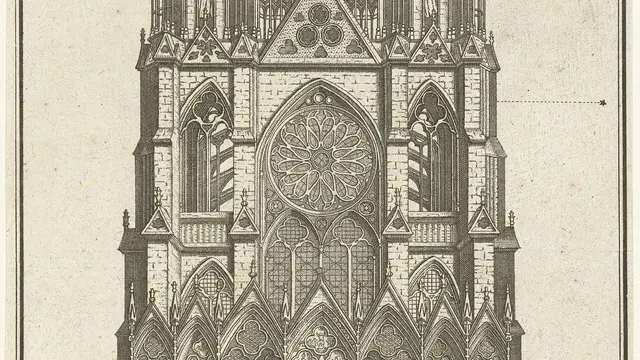
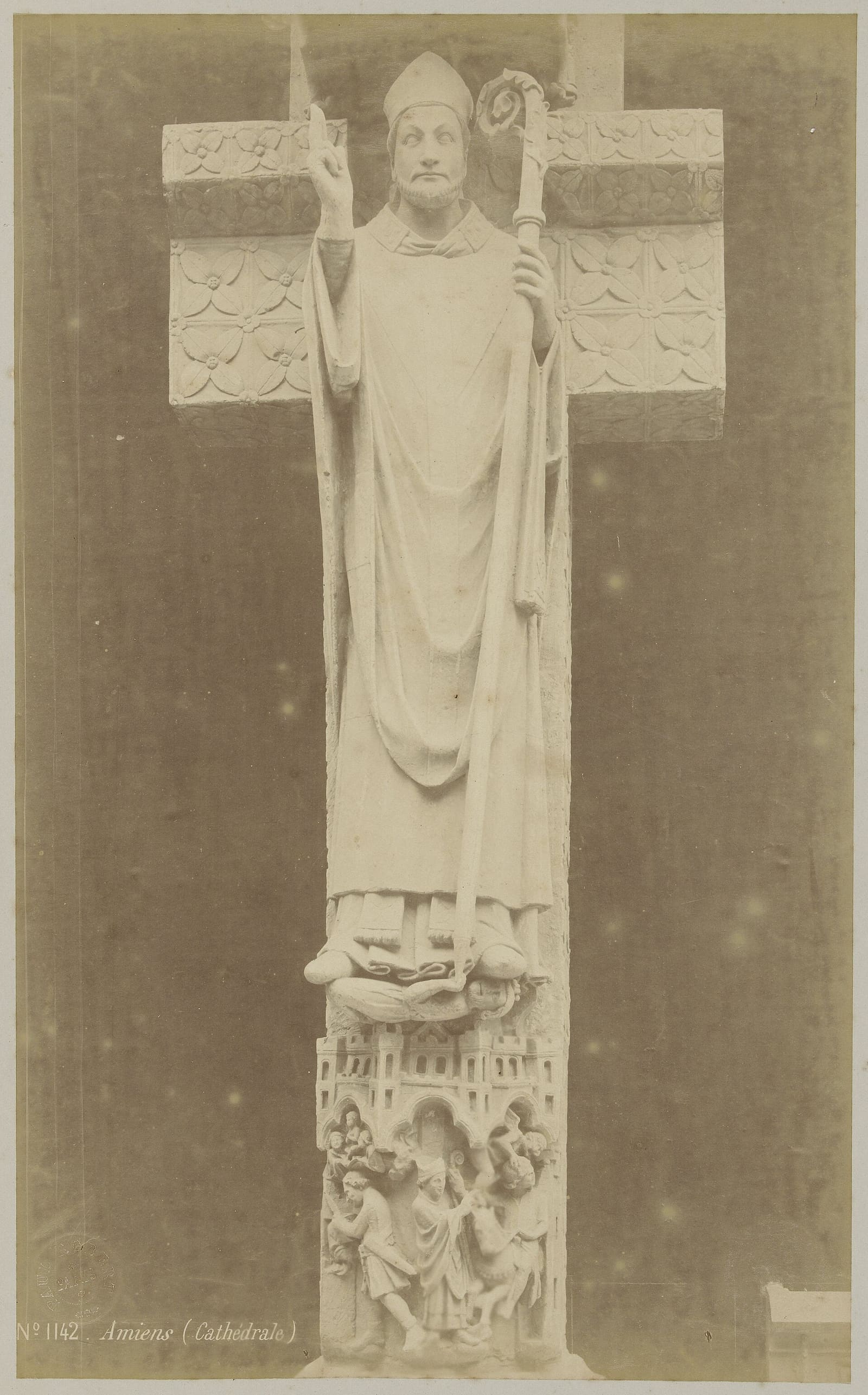
Later, according to the legend, St. Salvius, a bishop of Amiens, discovered his tomb, and a sweet fragrance filled the air. The cathedral of Amiens, one of the most beautiful Gothic cathedrals in France, honors him, and his statue stands at its main door.
San Fermín in Pamplona
Pamplona has honored Firmin as its patron since the Middle Ages, and part of his relics were brought there. Over the centuries his feast, moved to July 7, became a great celebration combining a religious procession and Masses with markets, music and the running of the bulls. Before each run, participants pray to the saint for protection.
The festival has become famous worldwide. At its heart is still the procession of St. Firmin’s statue through the streets, and the simple faith of the people of Navarre.
A Prayer for Protection (Original Prayer)
St. Firmin, you left your home to bring Christ to others and gave your life for Him. Protect all who travel and all who face danger, and help me share the faith with courage. Amen.
Continue Reading
Read about Sts. Fuscian, Victoricus and Gentian, other martyrs of Amiens, St. Denis, or St. James the Greater, patron of Spain.
Frequently asked questions
When is the feast of St. Firmin?
September 25 in the Roman Martyrology and at Amiens. In Pamplona his feast is celebrated on July 7.
What is the San Fermín festival?
A week-long celebration in Pamplona, beginning July 6, with a procession carrying the saint's statue, Masses and folk traditions, as well as the famous running of the bulls.
How historical is his story?
His life was written centuries after his death and contains legendary elements. The Church in Amiens has venerated him as its founding bishop and martyr since early times.
Sources
- Acts of St. Firmin (Passio, sixth to eighth century)
- Roman Martyrology, September 25
- Cathedral of Notre-Dame d'Amiens