St. John of Damascus: Defender of Holy Images
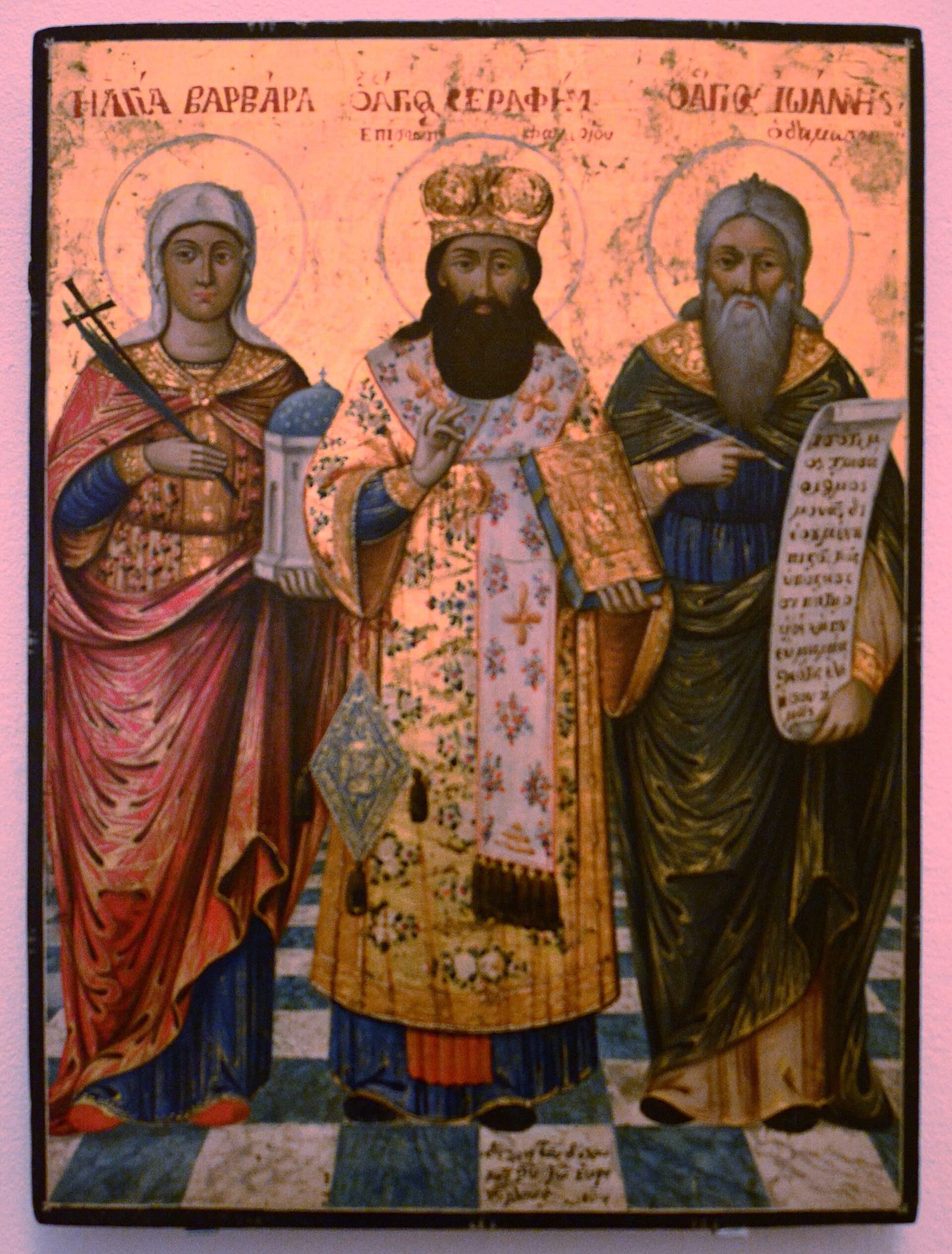
Quick answer
St. John of Damascus (about 675–749), also called John Damascene, was born into a Christian family that served the Umayyad caliphs in Damascus. He left government service to become a monk at the monastery of Mar Saba near Jerusalem. When the Byzantine emperor banned the veneration of icons, John wrote powerful defenses of holy images, explaining that because God became visible in Christ, He may be pictured. He also wrote The Fount of Knowledge, a summary of Christian doctrine. He is a Doctor of the Church. His feast is December 4.
Key takeaways
- His family held high financial office under the Muslim caliphs.
- He became a monk and priest at Mar Saba, near Jerusalem.
- He wrote three treatises defending holy images against iconoclasm.
- The Second Council of Nicaea (787) confirmed the teaching he defended.
When Christians look at an icon or a crucifix and pray, they are doing something St. John of Damascus defended with all his learning. He is the great teacher of why Christians may honor holy images.
A Christian at the Caliph’s Court
John was born around 675 in Damascus, Syria, which by then was the capital of the Umayyad caliphate. His family was Christian, and his grandfather and father held high financial posts in the caliph’s government. John was well educated and followed them into public service.
Around 706, as the caliphs placed new limits on Christians, John left his position and became a monk at the monastery of Mar Saba, in the desert between Jerusalem and the Dead Sea. He was ordained a priest and spent the rest of his life there, praying, writing and preaching.
The Iconoclast Crisis
In 726 the Byzantine emperor Leo III began a campaign against icons, ordering images of Christ and the saints to be removed and destroyed. This movement is called iconoclasm, “image breaking.” Its supporters claimed that images were idols.
Because John lived outside the empire, beyond the emperor’s reach, he could write freely. He wrote three treatises defending holy images.
Why Christians May Make Images
John’s argument was simple and profound. In the Old Testament, God could not be pictured because He had not been seen. But in Jesus Christ, God became man and was seen, heard and touched. So we may picture Him. John wrote that he did not worship matter, but worshiped the Creator of matter who became matter for his sake.
He also distinguished between worship, given to God alone, and veneration, the honor given to images and to the saints, which passes to the person represented.
The Second Council of Nicaea in 787 confirmed this teaching, and the Catechism quotes it (CCC 2131-2132).
A Summary of the Faith
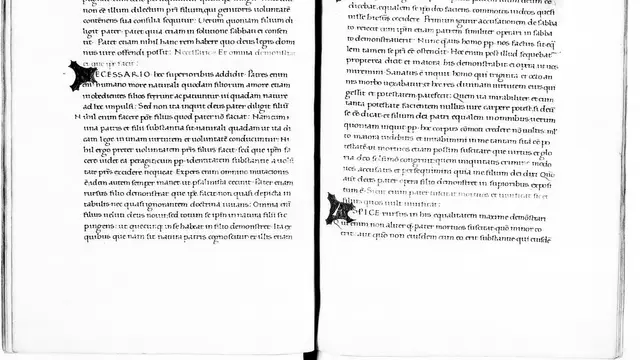
John also wrote The Fount of Knowledge, which includes An Exact Exposition of the Orthodox Faith, a summary of Christian doctrine drawn from the Fathers. It was later studied in the West, including by St. Thomas Aquinas. John wrote hymns still sung in the Eastern Churches and beautiful sermons on the Dormition of Mary.
He died around 749 and was declared a Doctor of the Church in 1890.
A Prayer Before an Icon (Original Prayer)
Lord Jesus, You became man so that we could see You. As I look on Your image and those of Your saints, lift my heart from what is seen to You, the unseen God. St. John of Damascus, pray for me. Amen.
Continue Reading
Read about St. Cyril of Alexandria, why Catholics pray to saints, or the Desert Fathers.
Frequently asked questions
When is the feast of St. John of Damascus?
December 4.
Do Catholics worship images?
No. Worship (adoration) is given to God alone. Images of Christ, Mary and the saints are venerated, that is, honored, and the honor passes to the person depicted (CCC 2132).
What else did he write?
The Fount of Knowledge, including An Exact Exposition of the Orthodox Faith, hymns still sung in the Byzantine liturgy, and sermons on the Dormition of Mary.
Sources
- St. John of Damascus, Three Treatises on the Divine Images
- St. John of Damascus, The Fount of Knowledge
- Second Council of Nicaea (787)
- Catechism of the Catholic Church, nos. 1159–1162, 2129–2132