The Real Waterfront Priest: Fr. John Corridan and On the Waterfront
Quick answer
Fr. John M. Corridan, SJ (1911–1984), known as "Pete," was associate director of the Xavier Institute of Industrial Relations in Manhattan. From 1946 he worked with longshoremen on the Chelsea piers, documented the corruption of the docks, and helped reporter Malcolm Johnson write the Pulitzer-winning series "Crime on the Waterfront." His fight against racketeering and his preaching that Christ stood among the workers in the daily "shape-up" inspired the character of Father Barry, played by Karl Malden, in the 1954 film On the Waterfront.
Key takeaways
- Fr. John Corridan was a Jesuit labor priest at the Xavier Labor School in Manhattan.
- He documented racketeering and unfair hiring on the New York docks from 1946.
- He fed information to Malcolm Johnson's Pulitzer-winning "Crime on the Waterfront."
- Karl Malden's Father Barry in On the Waterfront was modeled on him.
- His message, that Christ stands with the workers, reflects Catholic social teaching.
In the 1954 classic On the Waterfront, Marlon Brando’s Terry Malloy “coulda been a contender,” and Karl Malden’s Father Barry stands in the hold of a ship, preaching over the body of a murdered longshoreman that Christ is on the waterfront. Many film lovers never knew that Father Barry was based on a real priest: Fr. John M. Corridan, a Jesuit graduate of Regis High School in New York.
The Labor Priest of Chelsea
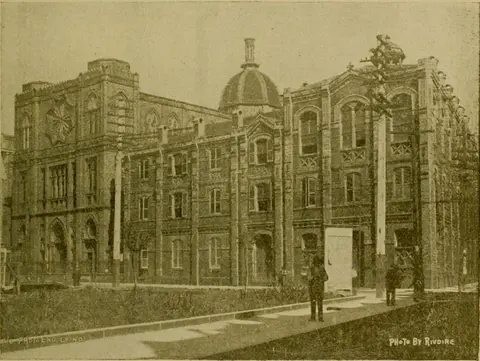
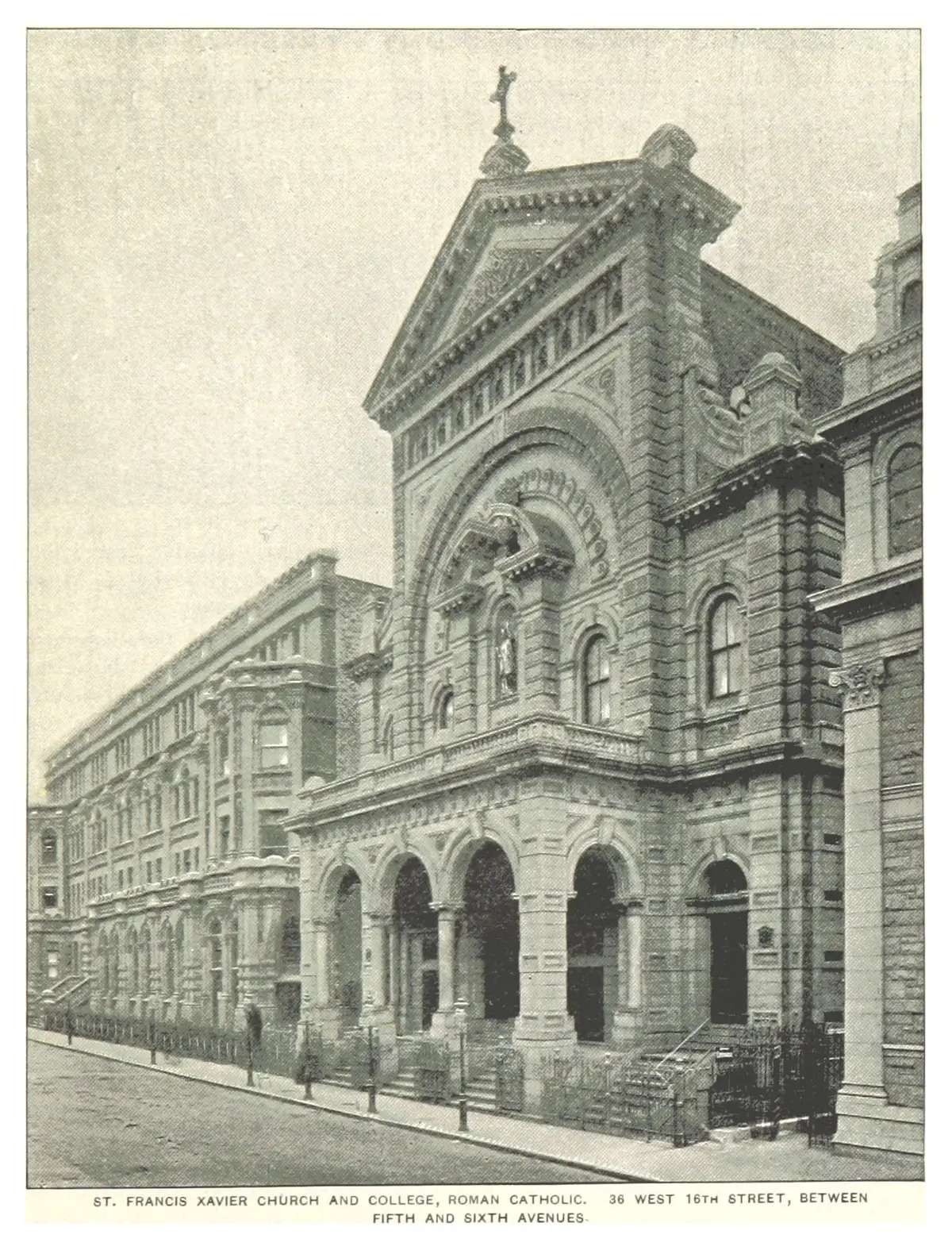
“Pete” Corridan, as he was known among Jesuits, was born in New York in 1911. In 1946 he was assigned to the Xavier Institute of Industrial Relations, the Jesuits’ labor school at St. Francis Xavier Parish on West 16th Street in Manhattan. Labor schools like Xavier taught working people about their rights, union democracy and the Church’s social teaching from Pope Leo XIII’s Rerum Novarum.
The school’s director, Fr. Philip Carey, SJ, asked Corridan to work with the longshoremen of the nearby Chelsea piers. Most were Irish and Italian Catholics, and their union, the International Longshoremen’s Association, was riddled with gangsters.
The Shape-Up
Dock work was hired through the shape-up. Each morning, men gathered at the pier gates, and a hiring boss picked who would work that day. Those who paid kickbacks or borrowed from the loan sharks got jobs. Those who complained did not, or worse. A code of silence kept everyone in line.
Corridan studied the waterfront’s economics and politics in detail and soon became the leading authority on the Port of New York. He walked the piers, listened to the men in kitchens and bars, and urged them to stand up for honest union elections.
Crime on the Waterfront
In 1948, reporter Malcolm Johnson of the New York Sun began investigating the docks and came to Corridan for help. His series, “Crime on the Waterfront,” won the Pulitzer Prize in 1949. Company magazine noted that Corridan quietly supplied much of the material for a second series himself. The articles began to crack the waterfront’s code of silence and led to public hearings and reforms, including the creation of the bi-state Waterfront Commission in 1953.
Christ in the Shape-Up
Corridan was known for a powerful talk in which he insisted that Christ was present in the shape-up, standing among the dockworkers, suffering the injustice done to them. That conviction, that the Gospel reaches into the workplace, became the heart of Father Barry’s famous sermon in the film.
From the Docks to Hollywood
Screenwriter Budd Schulberg spent long hours with Corridan while writing the script, and director Elia Kazan filmed in Hoboken, New Jersey. On the Waterfront won eight Academy Awards, including Best Picture, Best Actor for Brando and Best Supporting Actress for Eva Marie Saint. Karl Malden was nominated for his portrayal of the priest.
Later Years
The waterfront fight made Corridan powerful enemies, and in 1957 his superiors reassigned him. He taught economics and later worked in parish and hospital ministry. He died in 1984. Today historians recognize him as one of the great “labor priests” of American Catholicism.
What the Church Teaches About Work
The Catechism teaches that “a just wage is the legitimate fruit of work” and that refusing or withholding it “can be a grave injustice” (CCC 2434). Workers have the right to organize and to strike when necessary (CCC 2435). Corridan simply applied those teachings to the piers of New York.
Prayer for Workers (Original Prayer)
St. Joseph the Worker, you earned your bread by your labor and cared for Jesus and Mary with the work of your hands. Watch over all who work hard for little pay, all who are treated unjustly, and all who seek work. Give courage to those who stand up for justice, and help us honor the dignity of every worker. Amen.
Continue Reading
Read about the Jesuits in the United States, the Jesuit mission preachers, or who the Jesuits are.
Frequently asked questions
Was On the Waterfront based on a true story?
Yes, loosely. It drew on Malcolm Johnson's 1948–49 newspaper series about corruption on the New York docks and on the work of Fr. John Corridan, who advised screenwriter Budd Schulberg.
What was the shape-up?
The daily hiring system on the docks. Men gathered at the pier and a hiring boss chose who would work, often in exchange for kickbacks, so many workers went without pay unless they paid off the bosses.
What happened to Fr. Corridan later?
In 1957 his superiors moved him from waterfront work. He taught economics and served in parish ministry, and died in 1984.
Sources
- "Waterfront Priest," Company magazine (Summer 2003)
- James T. Fisher, On the Irish Waterfront (Cornell University Press, 2009)
- Pope Leo XIII, Rerum Novarum (1891); Pope Pius XI, Quadragesimo Anno (1931)