Jesuit Mission Art: When Faith Spoke Every Culture's Language

Quick answer
Jesuit missionaries treated art as a universal language that could cross the barriers of speech. In South America, Guaraní and other indigenous artists carved statues and built great churches in the reductions of Paraguay, Argentina, Brazil and Bolivia. In Japan, a Jesuit "Seminary of Painters" trained Japanese artists in Western techniques in the 1590s. In India, painters at the Mughal court copied European religious images brought by Jesuits. The result was a remarkable body of art that blends Christian subjects with local styles.
Key takeaways
- The Jesuits saw sacred art as a way of preaching across languages.
- Indigenous artists in the reductions produced statues, paintings and churches of great originality.
- The ruins of São Miguel and other Guaraní missions are UNESCO World Heritage Sites.
- Japanese artists trained by Jesuits in the 1590s combined Western painting with Japanese lacquer.
- Mughal painters at Akbar's court copied Christian images brought by Jesuits.
Picture a battered jeep pushing through the rain in southern Brazil until, in a clearing, there appear the towering ruins of a great stone church. That is how art historian Gauvin Alexander Bailey described in Company magazine the end of a journey across four continents in search of Jesuit mission art, the paintings, statues and buildings created when the Jesuits carried the faith to the ends of the earth.
Art as a Universal Language
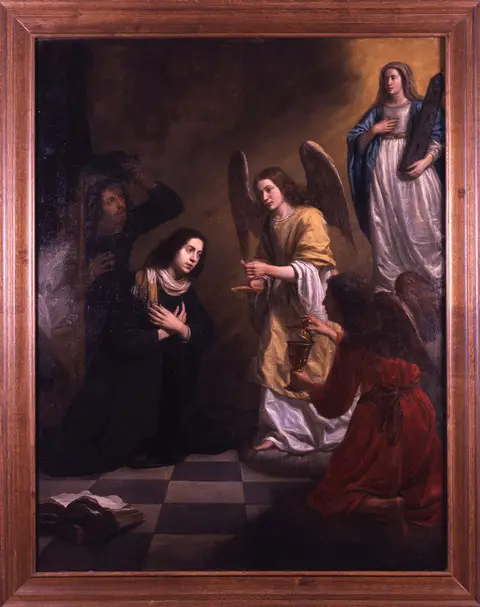
The Jesuits of the 16th to 18th centuries believed that art could speak where words failed. In lands where missionaries were still struggling with the language, a painting of the Virgin and Child or of the Crucifixion could preach the Gospel at a glance. The Church has always taught that sacred art should evoke and glorify “the transcendent mystery of God” and lead people to prayer (CCC 2502).
The Jesuits were not free of the attitudes of their age, but more than most Europeans they adapted to the cultures they met. They learned languages, dressed like local scholars in China, and invited local artists to make Christian art in their own styles. In Bailey’s words, the mission peoples did not merely receive Christianity; they used art to express it in their own way.
South America
Ever since the first Jesuits reached Peru in 1568, their missions became centers of the arts across the continent.
- Paraguay, Argentina and Brazil. In the thirty Guaraní reductions, founded from 1609, Guaraní carpenters, sculptors and stonemasons worked with Jesuit architects to build some of the largest churches in the Americas. The ruins of São Miguel das Missões in Brazil, San Ignacio Miní in Argentina, and Trinidad and Jesús in Paraguay are UNESCO World Heritage Sites. Polychrome wooden statues of saints and of the Virgin, many now in mission museums, combine European models with Guaraní features and craftsmanship. Murals, such as the Last Judgment in the Loreto chapel of Santa Rosa in Paraguay, were inspired by engravings the Jesuits brought from Europe.
- Bolivia. The wooden, painted churches of the Chiquitos missions still stand, and the Moxos missions preserve a rich musical heritage.
- Argentina. At the Jesuit estancias of Córdoba, also a World Heritage Site, the composer Domenico Zipoli worked and died.
- Quito, Ecuador became famous for its school of painting and sculpture, which often portrayed Jesuit saints such as Francis Borgia, Aloysius Gonzaga and Stanislaus Kostka.
Japan: The Seminary of Painters
After St. Francis Xavier reached Japan in 1549, the Church grew quickly. In the 1590s the Italian Jesuit Giovanni Niccolò directed a Seminary of Painters near Nagasaki, where Japanese students learned Western oil painting and engraving. Europeans were amazed at how well they could paint in the European manner. Some of their Madonnas are set in frames made with traditional Japanese techniques of gold and silver lacquer and mother-of-pearl. When persecution came in the 17th century, most of this art was destroyed. Read more in the true story behind Silence.
India: The Mughal Court
In 1580 Jesuits arrived at the court of the Mughal emperor Akbar, who was curious about all religions. They brought printed Bibles and devotional images. Mughal painters, most of them Muslims, copied and adapted these pictures with exquisite skill, painting Madonnas and scenes from the life of Christ in miniature. Their interest was more cultural than religious, but the exchange produced a beautiful meeting of East and West.
China
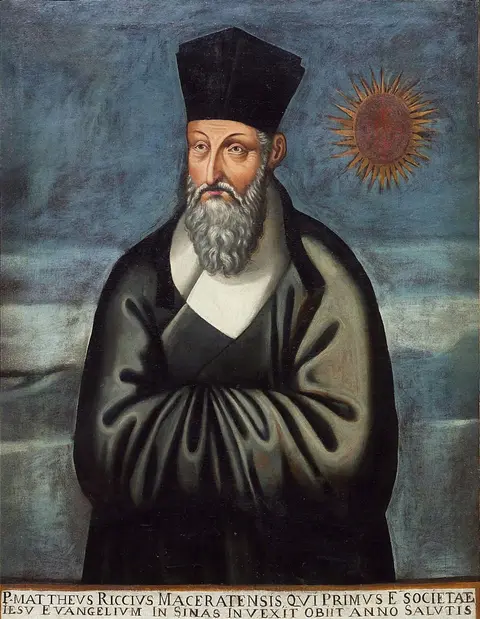
In China, Matteo Ricci and his successors used European maps, clocks and religious images to open doors at the imperial court. Later the Jesuit brother Giuseppe Castiglione became a court painter to the Qing emperors, blending Chinese and European techniques.
What Mission Art Teaches
Jesuit mission art reminds us that the Gospel belongs to every people. Christ took flesh in one culture, and through His Church He continues to take flesh in all of them. Read more about art in Jesuit history: the Church of the Gesù in Rome and the lost masterpieces found in Jesuit houses.
Prayer for Artists (Original Prayer)
Lord, Creator of all beauty, You gave artists in every land the gift to show Your glory in color, wood and stone. Bless all who make sacred art today. May their work lead many hearts to You, the source of all that is good, true and beautiful. Amen.
Continue Reading
Read about the Jesuit missions of Chiquitos, the life of St. Francis Xavier, or who the Jesuits are.
Frequently asked questions
What are the Jesuit missions of the Guaraní?
Thirty mission towns founded among the Guaraní people from 1609 in what is now Paraguay, Argentina and Brazil. Their ruins, including San Ignacio Miní, Trinidad and São Miguel das Missões, are UNESCO World Heritage Sites.
Did the Jesuits destroy native art?
Jesuit attitudes were not free of the prejudices of their time, but on the whole they encouraged local artists and adapted to local cultures. Mission art often blends Christian images with indigenous motifs, styles and materials.
Sources
- Gauvin Alexander Bailey, Art on the Jesuit Missions in Asia and Latin America, 1542–1773 (University of Toronto Press, 1999)
- Gauvin Alexander Bailey, "Jesuit Mission Art," Company magazine (Summer 2000)
- "In God's Name," Company magazine (Spring 1998)
- UNESCO, Jesuit Missions of the Guaranis