The Catholic Church Among the Yup'ik of Alaska
Quick answer
The Yup'ik are an Alaska Native people of the Yukon-Kuskokwim Delta and the Bering Sea coast. Jesuit missionaries arrived among them in the late 1880s, and many Yup'ik villages are largely Catholic. Because priests could visit remote villages only every few weeks, the Diocese of Fairbanks began training Native men as permanent deacons around 1970, a program called in Yup'ik "Nutaraq Piicirkaq," new things to do. Deacons lead Sunday services, baptize, witness marriages and bury the dead, while a few itinerant Jesuits travel between villages by plane, boat and snowmobile.
Key takeaways
- Jesuits began missions among the Yup'ik in the late 1880s.
- Many Yup'ik villages on the Bering Sea coast are mostly Catholic.
- Native deacons have served villages since the Diocese of Fairbanks began training them around 1970.
- Priests visit remote villages only every few weeks, traveling by small plane and boat.
- Subsistence fishing and hunting remain central to Yup'ik life and culture.
On the Bering Sea, off Nelson Island in western Alaska, a Yup’ik boy jigs for halibut from his father’s boat, tied to a brace with anchor line because some of the fish are big enough to pull him in. This is not sport. What the family catches feeds them through the winter. Jesuit Fr. Brad Reynolds, who first came to the village of Toksook Bay in 1973, told their story in Company magazine. It is also a story about the faith of the Yup’ik, one of the most Catholic peoples in North America.
The Yup’ik
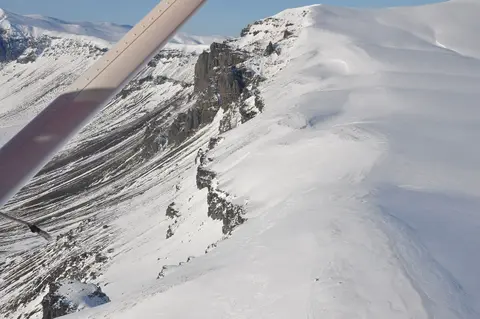
The Yup’ik are an Alaska Native people of the Yukon-Kuskokwim Delta and the Bering Sea coast, a vast region of tundra, rivers and small villages reachable mostly by small plane, boat or snowmobile. Many still live by subsistence: salmon and halibut fishing, seal and walrus hunting, berry picking. Their language, Yup’ik, is still widely spoken.
The Jesuit Missions
Jesuits came to western Alaska in the late 1880s. Italian and other Jesuits of the Rocky Mountain Mission (see Jesuit missions in the American West) founded missions on the Yukon River, including Holy Cross and later St. Mary’s, with Ursuline and other sisters running schools. Over time many Yup’ik villages became largely Catholic, blending the faith with their language and customs.
When Fr. Reynolds visited Toksook Bay in 1973 with Fr. Frank Fallert, SJ, it was a cluster of small wooden houses along two dirt roads on the beach. He spent a day and a half visiting families and left with a lump in his throat, beginning a lifelong friendship with the village.
“New Things to Do”: Native Deacons
The villages were many, and priests were few. In 1970 the Diocese of Fairbanks decided to train Yup’ik men as permanent deacons. It was hard to find a Yup’ik word for the idea; the program was finally called Nutaraq Piicirkaq, “New Things to Do.”
By the early 2000s, Company reported, about 21 deacons served ten villages in the Yukon-Kuskokwim Delta, while seven Jesuits traveled as itinerant priests. A priest might visit a village only every two to six weeks. Before leaving, he would consecrate hosts for the tabernacle so that deacons could lead communion services, and by his return the deacons were sometimes breaking the last hosts into crumbs to share.
The deacons preach in Yup’ik, baptize, witness marriages, bury the dead and counsel families, all while fishing and hunting like their neighbors. The Catechism teaches that deacons are ordained “not unto the priesthood, but unto the ministry” of service (CCC 1569).
Wounds and Healing
The Church in Alaska has also faced painful wrongs. In the 2000s, Alaska Natives came forward to report abuse by some church workers in villages decades earlier, and the Jesuits’ former Oregon Province reached legal settlements and apologized. Many Yup’ik Catholics have kept their faith while calling the Church to accountability and healing.
A Living Faith
Today Yup’ik Catholics continue to pray in their own language, gather in village churches, keep feast days and pass their faith to their children. Their story shows how the Church can become truly native to a people, led by its own members.
Prayer for the Church in Alaska (Original Prayer)
Lord of the seas and the tundra, bless the Yup’ik people and all Alaska Natives. Protect fishermen and hunters, strengthen deacons, catechists and families, heal every wound of the past, and keep Your Church alive in every village. Amen.
Continue Reading
Read about Fr. Bernard Hubbard, the Glacier Priest, the Jesuit Volunteer Corps, which began in Alaska, or the Jesuits in the United States.
Frequently asked questions
Are many Alaska Natives Catholic?
Yes. Many Yup'ik communities in western Alaska, especially on the lower Yukon and the Bering Sea coast, are predominantly Catholic, the fruit of more than a century of Jesuit and Ursuline mission work.
What do Native deacons do?
Permanent deacons, ordained by the bishop, preach, baptize, witness marriages, lead communion services with hosts consecrated at Mass, conduct funerals and serve their villages, often while also fishing and hunting to support their families.
Sources
- "New Things to Do (Nutaraq Piicirkaq)" and "Fishing in Toksook Bay," Company magazine (Spring 2004 and Spring 2003)
- Louis Renner, SJ, Alaskana Catholica (Jesuit Oregon Province, 2005)
- Catechism of the Catholic Church, nos. 1569–1571 (deacons)