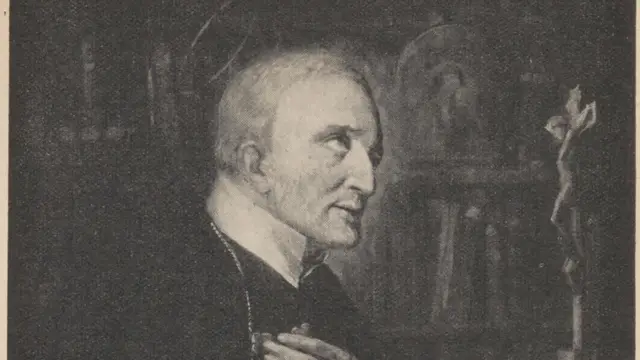
St. Justin Martyr: The Philosopher Who Found Christ, Feast Day and Writings
Quick answer
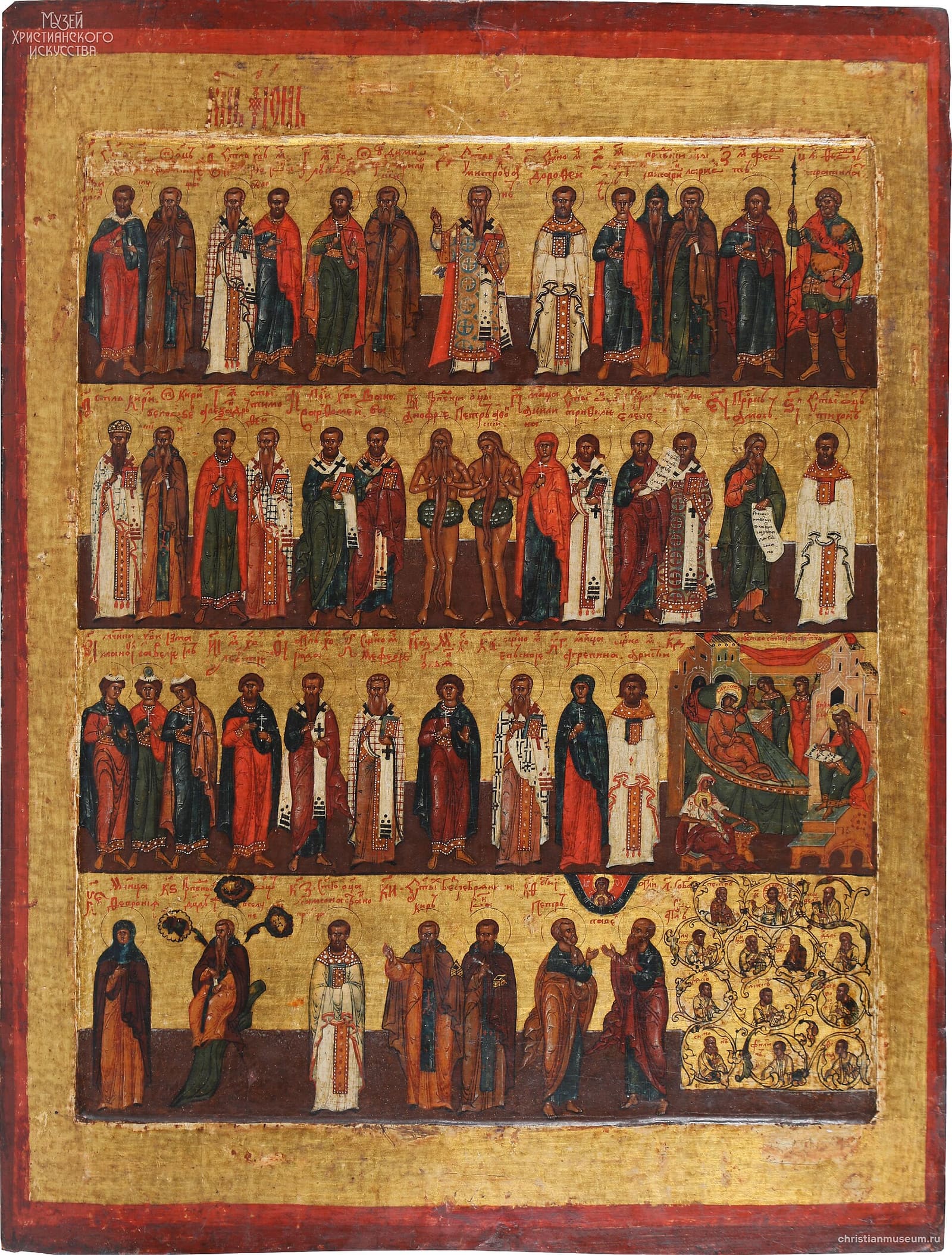
St. Justin Martyr (around 100–165) was a philosopher who became one of the first great defenders of Christianity. His First Apology contains the earliest detailed description of the Sunday Mass. He was beheaded in Rome around 165, and his feast is June 1.
Key takeaways
- Justin was born in Samaria to a pagan family and studied several schools of philosophy.
- An old man by the sea pointed him to the prophets and to Christ.
- His First Apology describes the early Mass (CCC 1345).
- He taught that "seeds of the Word" can be found in human wisdom.
St. Justin wanted the truth, and he was willing to keep looking until he found it. When he did, he was willing to die for it.
A Search for Wisdom
Justin was born around the year 100 at Flavia Neapolis, in Samaria, to a pagan family. As a young man he went from one philosophical school to another: a Stoic, a Peripatetic, a Pythagorean and a Platonist. None of them satisfied him.
One day, walking by the sea, he met an old man who told him about the Hebrew prophets, who had foretold Christ. Justin read them, and his heart caught fire. He had also been moved by the courage of Christians facing death. He became a believer and kept wearing the cloak of a philosopher, teaching what he now called the only sure and useful philosophy.
Defender of the Faith
Justin eventually settled in Rome and opened a school. Around the year 155, he wrote the First Apology, addressed to the emperor Antoninus Pius, to answer slanders against Christians. A Second Apology followed.
In his Dialogue with Trypho, he records a long, serious conversation with a Jewish teacher about the Scriptures and about Christ.
A Window on the Early Mass
Justin’s most treasured passage describes what Christians did on Sunday. The memoirs of the apostles and the prophets were read, the one presiding preached, all prayed, and bread and wine with water were brought and the Eucharist was offered. The Catechism quotes this description at length (CCC 1345). Any Catholic today would recognize it.
Seeds of the Word
Justin taught that the Word of God, who became flesh in Jesus, had sown “seeds” of truth among all people. Whatever is good in human wisdom belongs, in the end, to Christ. It is a generous idea, and the Church still treasures it.
His Martyrdom
Around the year 165, Justin and several companions were brought before Rusticus, the prefect of Rome. A record of the trial survives. Asked to sacrifice to the gods, they refused, and they were beheaded.
A Prayer to St. Justin (Original Prayer)
St. Justin, seeker of truth, pray for all who are searching. Help me to explain my faith with gentleness and courage, and to love the Holy Mass as you did. Amen.
Continue Reading
Read more about early Christian writings, or learn about what Catholics believe about Jesus.
Frequently asked questions
When is the feast of St. Justin Martyr?
June 1.
What is St. Justin the patron saint of?
He is a patron of philosophers.
What does St. Justin say about the Mass?
He describes Christians gathering on Sunday, hearing readings and a homily, praying together, bringing bread and wine, and sharing the Eucharist, which he taught is the flesh and blood of Jesus.
Sources
- St. Justin Martyr, First Apology 65-67; Second Apology; Dialogue with Trypho
- Acts of the Martyrdom of St. Justin
- Catechism of the Catholic Church 1345, 2174