Blessed Miguel Pro: Mexican Jesuit Martyr, Feast Day and Prayer
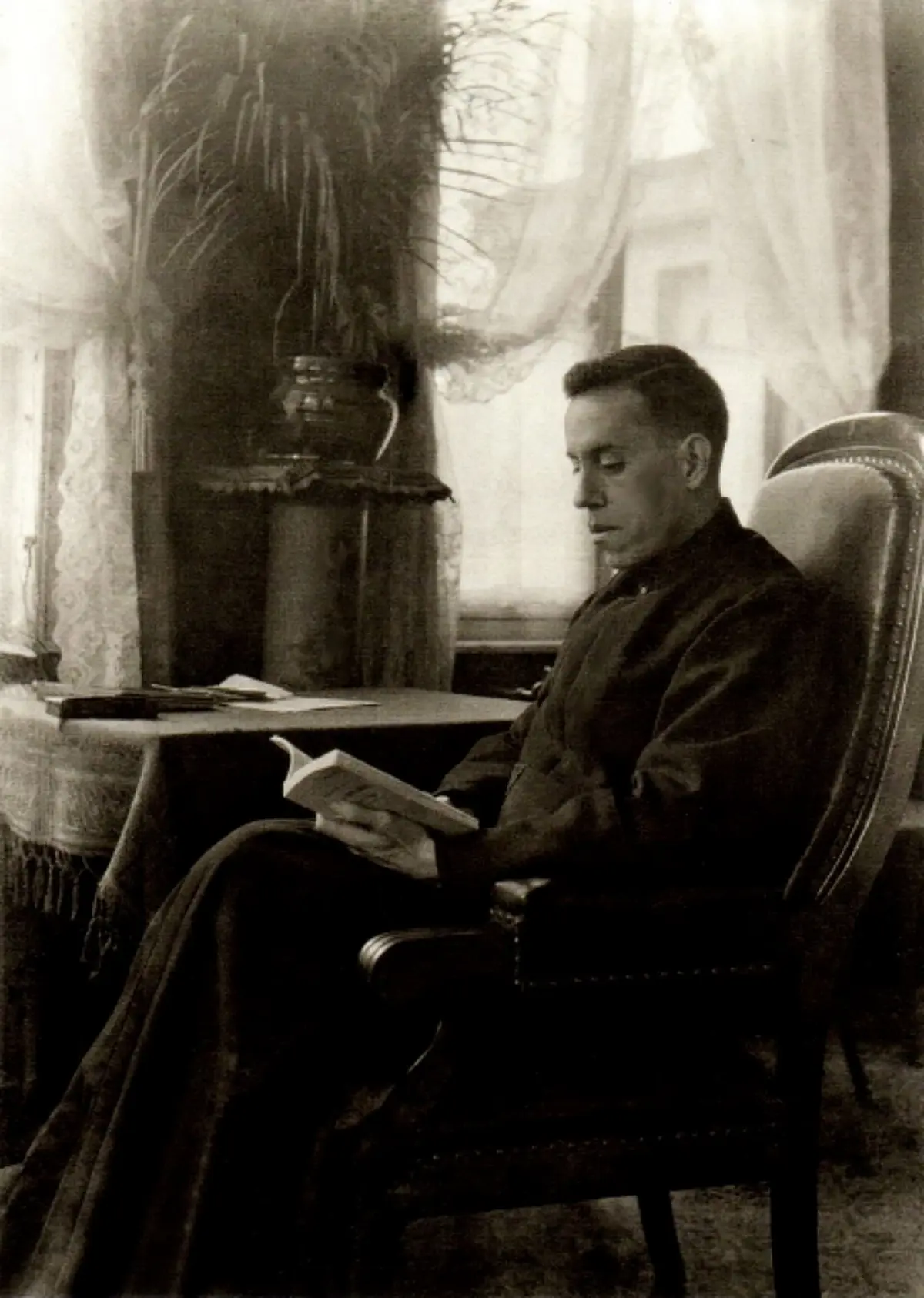
Quick answer
Blessed Miguel Agustín Pro (1891–1927) was a Mexican Jesuit priest who secretly brought the sacraments to Catholics during the persecution of the Church in Mexico. He was executed by firing squad in Mexico City on November 23, 1927, with his arms stretched out like a cross, crying "Viva Cristo Rey!" Pope St. John Paul II beatified him as a martyr in 1988.
Key takeaways
- Miguel Pro was born on January 13, 1891, in Guadalupe, Zacatecas, Mexico, and was ordained a Jesuit priest in Belgium on August 31, 1925.
- He returned to Mexico in 1926, just as public worship was suspended, and ministered in secret in Mexico City, often in disguise.
- Falsely accused in a bombing attempt against former president Álvaro Obregón, he was shot without trial on November 23, 1927.
- His last words, "Viva Cristo Rey!" ("Long live Christ the King!"), became the cry of Mexican Catholics who suffered for the faith.
- Pope St. John Paul II beatified him on September 25, 1988; his feast is November 23, an optional memorial in the United States.
Blessed Miguel Pro was a Mexican Jesuit priest who risked his life to bring the sacraments to Catholics during the persecution of the Church in Mexico. He was executed by firing squad in Mexico City on November 23, 1927, with his arms stretched out like a cross and the words “¡Viva Cristo Rey!” (“Long live Christ the King!”) on his lips. His feast day is November 23.
He was cheerful, funny and brave, a priest who wore disguises to hear confessions and carry Holy Communion to the faithful. Here is his story, why the Church honors him, and a prayer for his intercession.
Blessed Miguel Pro at a Glance
| Full name | Miguel Agustín Pro Juárez |
| Born | January 13, 1891, Guadalupe, Zacatecas, Mexico |
| Religious order | Society of Jesus (Jesuits), entered 1911 |
| Ordained | August 31, 1925, in Enghien, Belgium |
| Died | November 23, 1927, Mexico City, executed without trial |
| Beatified | September 25, 1988, by Pope St. John Paul II |
| Feast day | November 23 (optional memorial in the United States) |
| Popularly invoked for | Persecuted Christians, priests in danger, Mexico, joy in hardship |
Early Life: A Lively Boy from Zacatecas
Miguel Agustín Pro was born on January 13, 1891, in the mining town of Guadalupe, in the state of Zacatecas. His father worked in the mining industry, and Miguel grew up in a large and devout family.
Even as a boy, Miguel was full of life. He loved jokes, music and games, and he could imitate almost anyone. That playful spirit never left him. Later, as a priest in grave danger, he would still make people laugh.
As a young man he felt the call to religious life, and in 1911 he entered the Jesuit novitiate at El Llano, in the state of Michoacán.
Exile and Formation as a Jesuit
Miguel’s years of training took place in the shadow of the Mexican Revolution. Violence spread, and many leaders of the revolution were openly hostile to the Church. In 1914 the Jesuit novices had to flee the country.
His formation then took him far from home:
- California, where the exiled Mexican Jesuits first found refuge.
- Spain, where he continued his studies.
- Nicaragua, where he taught in a Jesuit school for several years.
- Spain again, for theology.
- Belgium, where he finished his studies and worked among miners and laborers.
During these years Miguel suffered from a painful stomach illness and needed several operations. He kept his good humor and kept going. On August 31, 1925, he was ordained a priest in Enghien, Belgium. His health was poor, and in 1926 his superiors allowed him to return to Mexico.
Return to a Persecuted Church
Father Pro arrived home in the summer of 1926, at one of the darkest moments for Catholics in Mexico. The Constitution of 1917 contained harsh laws against the Church, and President Plutarco Elías Calles now enforced them strictly. Foreign priests were expelled, religious schools and convents closed, and priests were required to register with the government.
In response, the Mexican bishops suspended public worship at the end of July 1926. Churches stood without Mass. Soon armed conflict broke out between the government and Catholic rebels known as the Cristeros, a war that lasted until 1929.
Pope Pius XI wrote to the whole Church about the suffering of Mexican Catholics in his encyclical Iniquis Afflictisque (November 18, 1926). Father Pro did not take up arms. His work was the work of a priest.
A Priest in Disguise
For about a year and a half, Father Pro ministered secretly in Mexico City. He moved from house to house to celebrate Mass, hear confessions, baptize, bless marriages and bring Holy Communion to many people each day. He gave the Spiritual Exercises of St. Ignatius of Loyola, the founder of his order, to small groups, and he collected food and money for poor families.
To avoid the police, he used disguises. He is remembered dressing as a mechanic, a businessman, a beggar and, by some accounts, even a police officer. Several times he slipped away from agents who were close behind him. Those who knew him said he did all this with a calm cheerfulness and a ready joke.
Behind the humor was deep prayer. He loved the Eucharist, Our Lady of Guadalupe, and the Sacred Heart of Jesus, and he offered his life for his country and for the Church.
Arrest and Martyrdom on November 23, 1927
On November 13, 1927, a bomb was thrown at the car of Álvaro Obregón, the former president, in Mexico City. Obregón was not seriously hurt. The car used in the attack had once belonged to one of Father Pro’s brothers.
Father Pro and his brothers Humberto and Roberto were arrested. The man responsible for the attack later admitted his guilt and said the Pro brothers had no part in it. Even so, Father Pro and Humberto were sentenced to death by order of President Calles, without any trial. Roberto was spared.
On the morning of November 23, 1927, Father Pro was led into the courtyard of the police headquarters in Mexico City. Witnesses report that he asked for a moment to pray and knelt down. Then he stood, refused a blindfold, and stretched out his arms in the form of a cross, holding a rosary in one hand and a crucifix in the other. He is reported to have forgiven his executioners. As the soldiers fired, he cried out: “¡Viva Cristo Rey!” He was 36 years old.
The government had invited photographers, hoping the pictures would frighten Catholics. The opposite happened. The photographs of the priest with outstretched arms spread around the world, and a very large crowd filled the streets for his funeral.
Why the Church Honors Him as a Martyr
A martyr is a witness who bears testimony to the truth of the faith even unto death (CCC 2473). Father Pro was not killed for a crime, but because he was a Catholic priest who would not stop serving his people. The Church recognized his death as martyrdom, and Pope St. John Paul II beatified him on September 25, 1988.
His last cry also has a special meaning. Only two years earlier, in 1925, Pope Pius XI had established the feast of Christ the King in the encyclical Quas Primas. “Viva Cristo Rey!” became the cry of the Mexican Catholics who suffered for their faith. It is fitting that Father Pro’s feast falls in the days around the Solemnity of Christ the King.
Jesus said, “No one has greater love than this, to lay down one’s life for one’s friends” (John 15:13). Father Pro lived those words.
What Is Blessed Miguel Pro the Patron Saint Of?
The Church has not formally named Blessed Miguel Pro the patron of any particular group. Still, Catholics around the world ask for his help, especially:
- Persecuted Christians, and all who suffer for the faith
- Priests, especially those who serve in danger or in hiding
- Mexico and Mexican Catholics, at home and abroad
- Joy in suffering, since he kept his sense of humor in illness and danger
- Forgiveness, since he died forgiving those who killed him
Blessed Miguel Pro Feast Day: How to Celebrate November 23
In the United States, November 23 is an optional memorial of Blessed Miguel Agustín Pro, priest and martyr. Here are simple ways to keep his day:
- Attend Mass and offer it for persecuted Christians.
- Go to confession, remembering how he risked his life to hear confessions.
- Pray for priests, especially your own pastor.
- Say “Viva Cristo Rey!” as a short prayer during the day.
- Forgive someone who has hurt you, as he forgave his executioners. Jesus asks us to “love your enemies, and pray for those who persecute you” (Matthew 5:44).
- Share a laugh. Holiness and good humor go together.
A Prayer to Blessed Miguel Pro
Prayer for the Intercession of Blessed Miguel Pro (Original Prayer)
Blessed Miguel Pro,
faithful priest and joyful servant of Christ the King,
you carried the sacraments to God’s people
when it cost you your life.
Pray for all who suffer for their faith today.
Pray for our priests, that they may be brave and holy.
Obtain for me a cheerful heart in trials,
the courage to stay faithful to Jesus,
and the grace to forgive those who hurt me.
Help me to live and to die saying with you:
Long live Christ the King!
Amen.
Short Prayer: Viva Cristo Rey (Original Prayer)
Lord Jesus Christ, King of my heart,
reign in my home, my family and my country.
Through the prayers of Blessed Miguel Pro,
keep me faithful to You always.
Viva Cristo Rey!
Amen.
What Blessed Miguel Pro Teaches Us Today
Father Pro speaks to us across a century.
- Faith is worth everything. He gave his life rather than abandon his people.
- The sacraments matter. He risked arrest every day so that others could receive Communion and be forgiven. We can value the Mass and confession that are so close at hand.
- Joy is a sign of holiness. Illness and danger never stole his cheerfulness. A Christian does not have to be gloomy to be serious about God.
- Forgiveness is possible. He died with words of pardon, not hatred.
- Courage is quiet. He was not a soldier. He was a priest who kept serving, one house and one soul at a time.
Like St. Isaac Jogues and the North American Martyrs, another group of Jesuit priests who gave their lives in the Americas, Blessed Miguel Pro reminds us that the Gospel has always been carried forward by ordinary people who love Jesus more than their own safety.
Blessed Miguel Pro, pray for us. Viva Cristo Rey!
Frequently asked questions
When is the feast day of Blessed Miguel Pro?
The feast of Blessed Miguel Pro is November 23, the anniversary of his martyrdom in Mexico City in 1927. In the United States it is an optional memorial on the liturgical calendar, so a priest may celebrate the Mass in his honor that day. The Jesuits and many Mexican and Mexican-American parishes keep it with special devotion.
What is Blessed Miguel Pro the patron saint of?
The Church has not named Blessed Miguel Pro the official patron of any group, which is usual for a blessed. Catholics popularly ask his help for Christians persecuted for their faith, for priests who serve in danger, for the Church in Mexico, and for the grace to keep joy and a sense of humor in hard times, since he was known for both.
Why is Miguel Pro called Blessed and not Saint?
"Blessed" means the Church has beatified him and allows public veneration, mainly in certain places or communities. He was beatified as a martyr by Pope St. John Paul II on September 25, 1988. To be canonized as a saint, the Church ordinarily requires a miracle attributed to his intercession after beatification. His cause remains open.
What did Miguel Pro say before he died?
Witnesses report that Father Pro asked for a moment to pray, knelt, and then stood with his arms stretched out in the form of a cross, holding a rosary and a crucifix. He refused a blindfold. As the soldiers fired, he cried out "¡Viva Cristo Rey!", which means "Long live Christ the King!" He is also reported to have forgiven those who were about to kill him.
Sources
- Pope Pius XI, Encyclical Iniquis Afflictisque on the Persecution of the Church in Mexico (1926)
- Pope Pius XI, Encyclical Quas Primas on the Feast of Christ the King (1925)
- Catechism of the Catholic Church, 2473-2474 (martyrdom)
- Scripture: John 15:13; Matthew 5:44