The Jesuits of Hiroshima: Pedro Arrupe and the Atomic Bomb
Quick answer
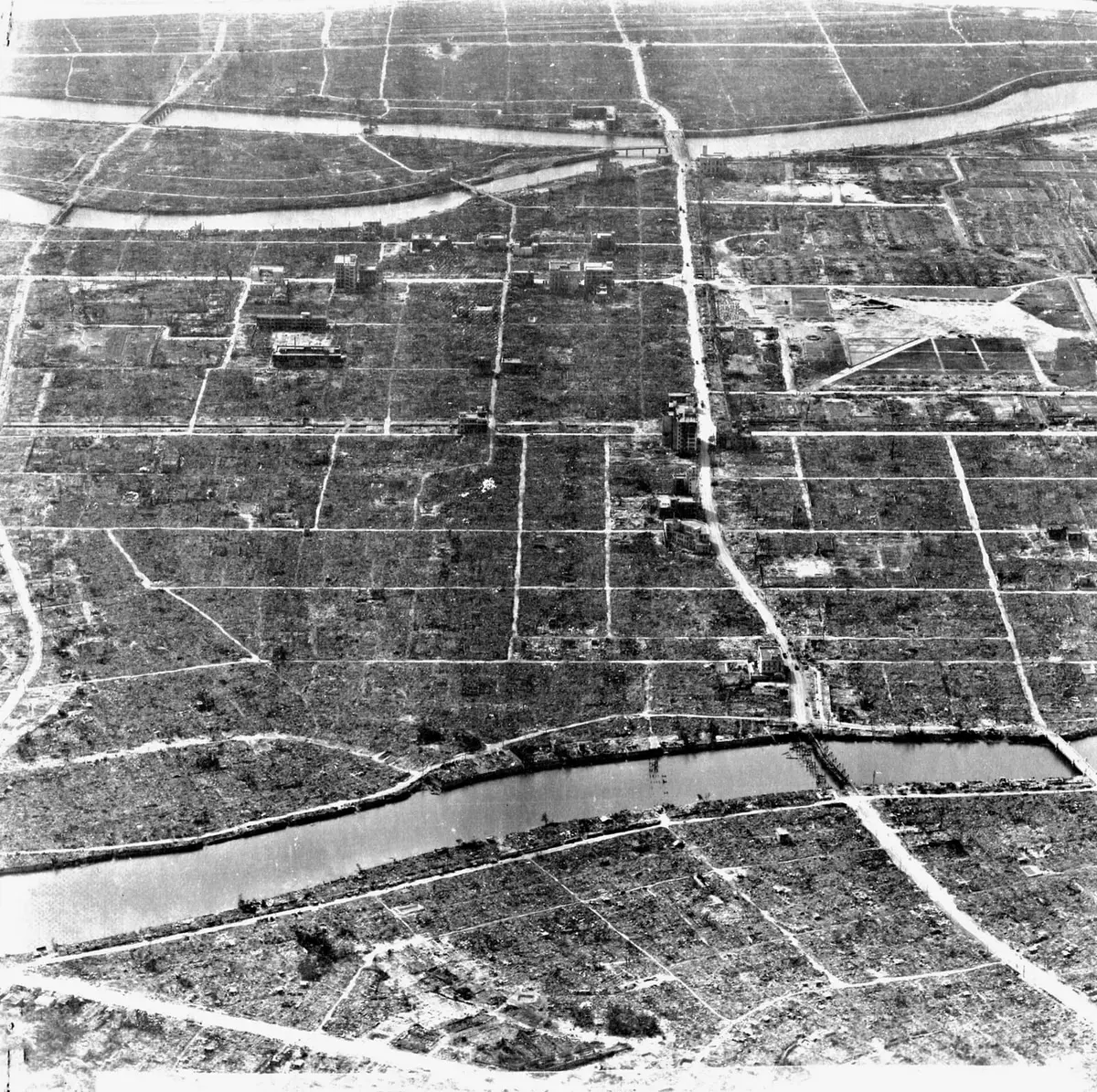
On August 6, 1945, the atomic bomb exploded over Hiroshima. Jesuits lived at the parish of the Assumption near the city center and at the novitiate in Nagatsuka, on the outskirts. The four Jesuits at the city parish, including Fr. Hugo Lassalle and Fr. Hubert Schiffer, survived despite being little more than a kilometer from the blast. At Nagatsuka, novice master Fr. Pedro Arrupe, a trained medical student, turned the novitiate into a field hospital for some 150 wounded. Fr. Johannes Siemes wrote one of the first eyewitness accounts of the bombing. Arrupe later became Superior General of the Jesuits.
Key takeaways
- The Jesuits had a city parish and a novitiate in Hiroshima in 1945.
- The Jesuits at the city parish, about a kilometer from the blast, all survived.
- Fr. Pedro Arrupe turned the Nagatsuka novitiate into a hospital for about 150 victims.
- Fr. Johannes Siemes wrote a famous eyewitness report of the bombing.
- Fr. Hugo Lassalle later built Hiroshima's Memorial Cathedral for World Peace.
At 8:15 in the morning of August 6, 1945, a blinding flash lit the sky over Hiroshima. Moments later a shock wave flattened most of the city. Among those who lived through that day were a small group of Jesuits, mostly German and Spanish missionaries. Their memories are among the most moving testimonies of the nuclear age. Sixty years later, Company magazine published one of them, the account of Fr. Johannes Siemes.
The Jesuits in Hiroshima
In 1945 the Jesuits had two houses in Hiroshima:
- The parish of Our Lady of the Assumption, in the Nobori-cho neighborhood, roughly a kilometer from the point where the bomb exploded. Four Jesuits lived there, among them Fr. Hugo Lassalle, the superior of the mission, Fr. Wilhelm Kleinsorge and Fr. Hubert Schiffer.
- The novitiate at Nagatsuka, on a hillside several kilometers from the center, where young Japanese Jesuits were trained. The novice master was a Basque priest named Pedro Arrupe. Fr. Siemes, a philosophy professor from Sophia University in Tokyo, had been evacuated there because of the bombing raids on the capital.
In the City
The parish house collapsed. The four priests were cut and bruised, and several were badly hurt, but they crawled out of the wreckage and helped others as fires spread through the city. Fr. Kleinsorge was one of the six survivors whose stories John Hersey told in his famous 1946 book Hiroshima. Remarkably, all four lived for many years, though several suffered illness later. Fr. Schiffer often spoke of the experience and attributed their survival to God’s providence and the prayer of the Rosary. The Church has never pronounced on this, but the survivors’ faith and courage are beyond doubt.
At Nagatsuka: A Novitiate Becomes a Hospital
At the novitiate, windows shattered and doors were torn from their frames, but the building stood. Soon the first wounded came stumbling up the hill. Fr. Siemes described the long procession of burned, bleeding people and the Jesuits’ trips into the burning city to bring back the injured, including their own brothers from the parish.
Pedro Arrupe had studied medicine in Madrid before entering the Jesuits. Now he organized the novices into a medical team. With little more than boric acid and the remains of a medicine chest, they cared for some 150 wounded in the chapel and rooms of the novitiate, treating burns, cleaning wounds and comforting the dying. Arrupe later wrote that on that day he celebrated Mass before a crowd of wounded people lying in the chapel and felt the weight of their suffering as never before.
After the War
Fr. Hugo Lassalle, a German who later took Japanese citizenship and the name Enomiya Makibi, built the Memorial Cathedral for World Peace in Hiroshima, completed in 1954 on the site of the destroyed parish church.
Fr. Pedro Arrupe became provincial of Japan and, in 1965, the 28th Superior General of the Jesuits. His experience of suffering shaped his leadership: he founded the Jesuit Refugee Service in 1980 and spoke constantly of a faith that does justice. His cause for beatification was opened in 2019.
The Church and Nuclear War
The Second Vatican Council, meeting twenty years after Hiroshima, declared: “Every act of war directed to the indiscriminate destruction of whole cities or vast areas with their inhabitants is a crime against God and man, which merits firm and unequivocal condemnation” (Gaudium et Spes 80, quoted in CCC 2314). Pope Francis, visiting Hiroshima in 2019, called the use of atomic energy for war “immoral.”
August 6 is also the feast of the Transfiguration, when Christ’s face shone like the sun on the mountain. Many have reflected on the contrast between that light of glory and the terrible light that fell on Hiroshima.
Prayer for Peace (Original Prayer)
Lord Jesus, transfigured in light, look upon a world still threatened by war. Grant eternal rest to the victims of Hiroshima and Nagasaki, heal the wounds of all who suffer from violence, and turn the hearts of leaders to peace. Make us instruments of Your peace, that the light of Your face may shine on all peoples. Amen.
Continue Reading
Read about the Jesuit Refugee Service, the Superior Generals of the Jesuits, or the Jesuit martyrs of the 20th century.
Frequently asked questions
Did Jesuits survive the atomic bomb at Hiroshima?
Yes. Four Jesuits living at the parish of Our Lady of the Assumption, roughly a kilometer from the hypocenter, were injured but survived and lived many more years, though their house was destroyed. The Jesuits at the Nagatsuka novitiate also survived.
What did Pedro Arrupe do after the bombing?
Arrupe, who had studied medicine before becoming a Jesuit, organized the novices to care for about 150 wounded at the novitiate, treating burns and injuries with almost no supplies. He later wrote about the experience and was elected Superior General of the Jesuits in 1965.
Who was Johannes Siemes?
A German Jesuit professor of philosophy at Sophia University in Tokyo who was staying at the Nagatsuka novitiate. His eyewitness account of the bombing and its aftermath was widely published after the war.
Sources
- "August 6, 1945," Company magazine (Fall 2005), with the eyewitness account of Johannes Siemes, SJ
- Pedro Arrupe, SJ, A Planet to Heal (1975) and One Jesuit's Spiritual Journey (1986)
- John Hersey, Hiroshima (1946)
- Catechism of the Catholic Church, no. 2314