The Jesuits and the 2004 Indian Ocean Tsunami: Sanctuary in Sri Lanka
Quick answer
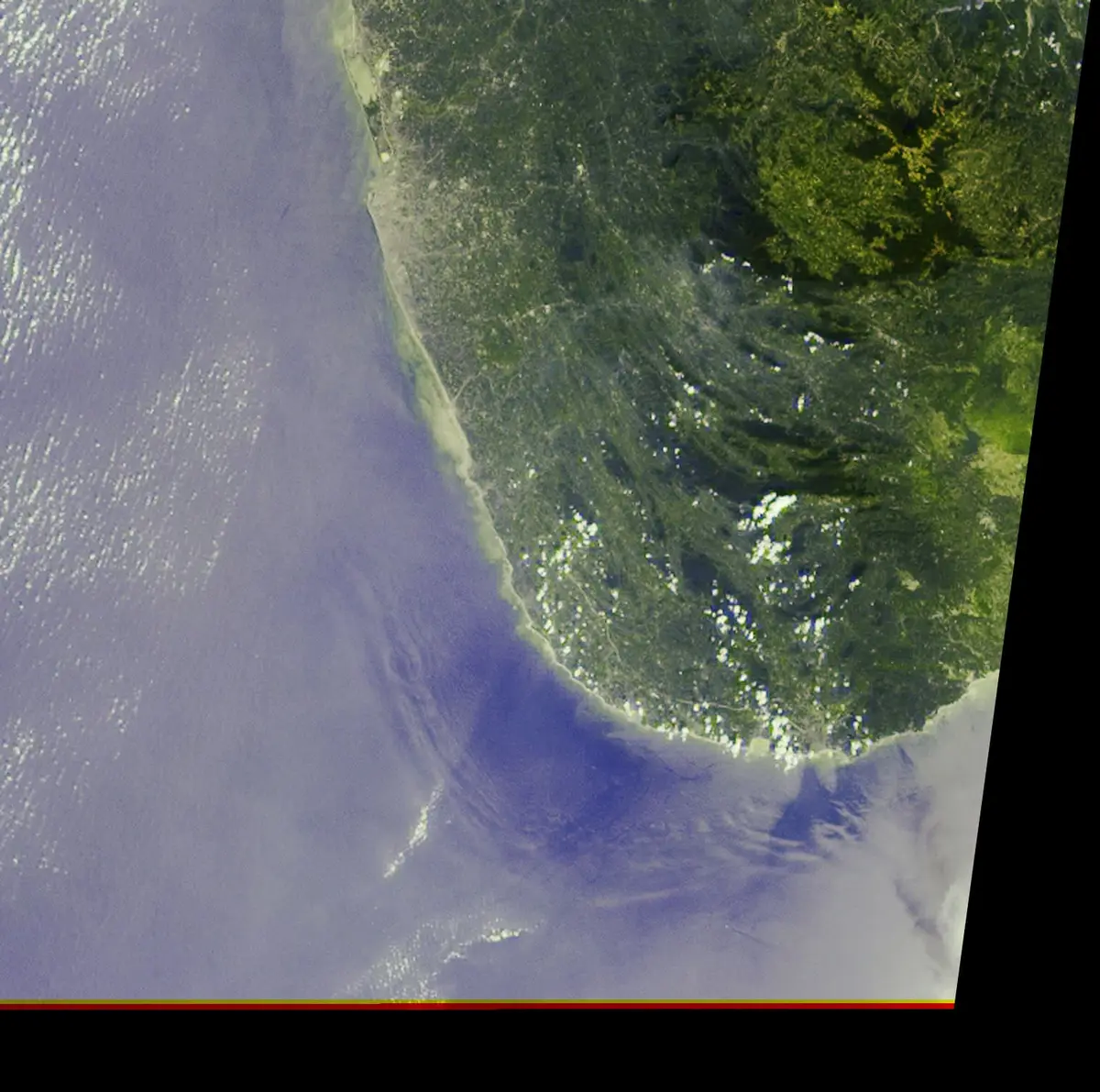
On December 26, 2004, an earthquake off Sumatra triggered a tsunami that killed more than 220,000 people around the Indian Ocean. Jesuits were present in the hardest-hit countries, Indonesia, Sri Lanka, India and Thailand. In Batticaloa, Sri Lanka, the Jesuits' St. Michael's College sheltered more than 3,000 survivors, and Jesuit communities in Galle, Trincomalee and Colombo opened their churches and houses. Jesuit Refugee Service set up camps in Aceh, Indonesia, and helped rebuild more than 300 homes in Sri Lanka, where the disaster struck people already uprooted by civil war.
Key takeaways
- The tsunami of December 26, 2004, killed more than 220,000 people in over a dozen countries.
- St. Michael's College in Batticaloa, Sri Lanka, sheltered more than 3,000 survivors.
- Jesuit Refugee Service opened camps in Banda Aceh, Indonesia.
- In Sri Lanka, Sinhalese and Tamils briefly set aside their conflict to help each other.
- JRS helped build more than 300 homes in Sri Lanka in the years after the disaster.
On the morning of Sunday, December 26, 2004, a wave about ten feet high surged across the narrow strip of land in Batticaloa, on the east coast of Sri Lanka. “The waters surged across St. Ignatius Church and parish house, inundating the buildings,” wrote Jesuit Fr. Guy Rajendram. “People in the church were safe. People living all along the sea coast were washed away and drowned.” By evening some 300 bodies lay in the city hospital.
The Disaster
A massive earthquake off the coast of Sumatra had triggered a tsunami that swept across the Indian Ocean, killing more than 220,000 people in over a dozen countries, from Indonesia to Somalia. Whole villages disappeared.
The Society of Jesus had communities in each of the hardest-hit countries: Indonesia, Sri Lanka, India and Thailand. All the Jesuits in the waves’ path survived, but the people they served faced unimaginable losses.
Sanctuary
Jesuits opened their homes at once. In Batticaloa, the Jesuits’ St. Michael’s College took in more than 3,000 people on its grounds. Jesuit communities in Galle, Trincomalee and Colombo opened their churches and residences. In India, Jesuit scholastics were in the field within days. Jesuit Refugee Service (JRS) sent a team to Banda Aceh in Indonesia, where it soon ran dozens of camps. In Rome, Superior General Fr. Peter-Hans Kolvenbach sent relief funds, and Jesuit schools and parishes around the world raised money and prayed.
“I have never in my 68 years seen such large-scale devastation,” wrote Fr. Derrick Mendis, SJ, after visiting Galle. “Railway lines were twisted like those of a toy train set.”
Hope in the Midst of Disaster
In Sri Lanka the tsunami struck a country divided by a long civil war between the Sinhalese majority and the Tamil minority. For a moment the disaster brought people together. Fr. Vinny Joseph, director of JRS in Sri Lanka, saw Sinhalese from the south bring truckloads of aid to Tamils in the north, and in some places Tamil rebels worked with the army to distribute supplies. “The brokenness of the victims becomes the brokenness of everyone,” he said.
The tsunami was especially cruel to families already uprooted by war. A JRS coordinator named Amalan, recently returned from years in a refugee camp in India, lost his daughter and his new home to the waves. A few days later, his wife gave birth to a son.
Rebuilding
Relief turned into years of reconstruction. By 2007, Jesuit Refugee Service had helped build more than 300 homes in Mannar and Batticaloa, along with schools, preschools and training centers, with support from JRS/USA and many donors. The work continued in the shadow of renewed fighting; in 2007 a priest who coordinated JRS work in one district was killed by a mine.
Solidarity
The Catechism teaches that solidarity is a direct demand of human and Christian brotherhood and that it extends to sharing spiritual goods as well as material ones (CCC 1939–1942). The tsunami showed the world, for a time, what that looks like.
Prayer for Victims of Natural Disasters (Original Prayer)
Lord of the wind and the waves, receive into Your peace all who have died in floods and storms. Comfort those who mourn, shelter those who have lost their homes, and strengthen all who bring relief. Make us one family in times of sorrow. Amen.
Continue Reading
Read about the Jesuit Refugee Service, the Jesuits and Hurricane Katrina, or the Jesuits of Hiroshima.
Frequently asked questions
How did the Church respond to the 2004 tsunami?
Dioceses, religious orders and Catholic charities across Asia opened churches and schools as shelters and distributed food, water and medicine. Jesuits, Caritas and many others helped with relief and, later, with rebuilding homes, schools and livelihoods.
Why was Sri Lanka hit so hard?
Its eastern and southern coasts faced the full force of the waves, and many coastal communities in the east and north had already been displaced by decades of civil war between the government and Tamil rebels.
Sources
- "Sanctuary," "Hope in the Midst of Disaster" and "Money and Prayers," Company magazine (Spring 2005)
- Ron Ferreri, "Victims," Company magazine (Spring 2008)
- Catechism of the Catholic Church, nos. 1939–1942 (solidarity)