The Jesuits in Northeast India: Among the Tea Gardens and Hill Tribes
Quick answer
Northeast India, made up of seven states known as the seven sisters, spans tea gardens in the Brahmaputra valley and Himalayan hills along the borders of Tibet, Bhutan, Myanmar and Bangladesh. It is home to more than 220 ethnic communities. Portuguese Jesuits Stephen Cacella and John Cabral passed through the region in the 1620s on their way to Tibet. Jesuits from Karnataka returned in 1970 at the invitation of local leaders to open a school in Nagaland and grew into the Kohima Jesuit region, with many local vocations. Its Jesuits live simply, stay with host families to learn local languages, and run schools and parishes among tea workers and tribal peoples.
Key takeaways
- Northeast India has more than 220 distinct ethnic communities.
- Jesuits Stephen Cacella and John Cabral crossed the region in the 1620s on their way to Tibet.
- Jesuits from Karnataka arrived in 1970 to open a school and soon spread to many villages.
- The Kohima Jesuit region grew quickly through local vocations.
- Jesuits there live simply and learn local languages and customs.
On Holy Thursday, drums sounded as a procession entered the Jesuits’ St. John de Britto Parish in Balipara, Assam. The church was too small for the crowd, so Mass was celebrated in a large tent beside it, for hundreds of Bodo Catholics, many of whom pick tea for a living. Company magazine told the story of the Jesuits in one of the most diverse corners of the world.
The Seven Sisters
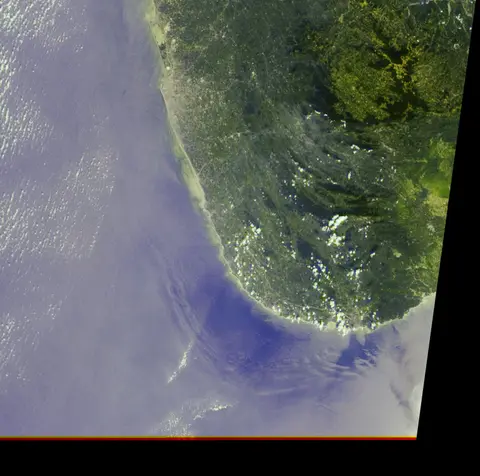
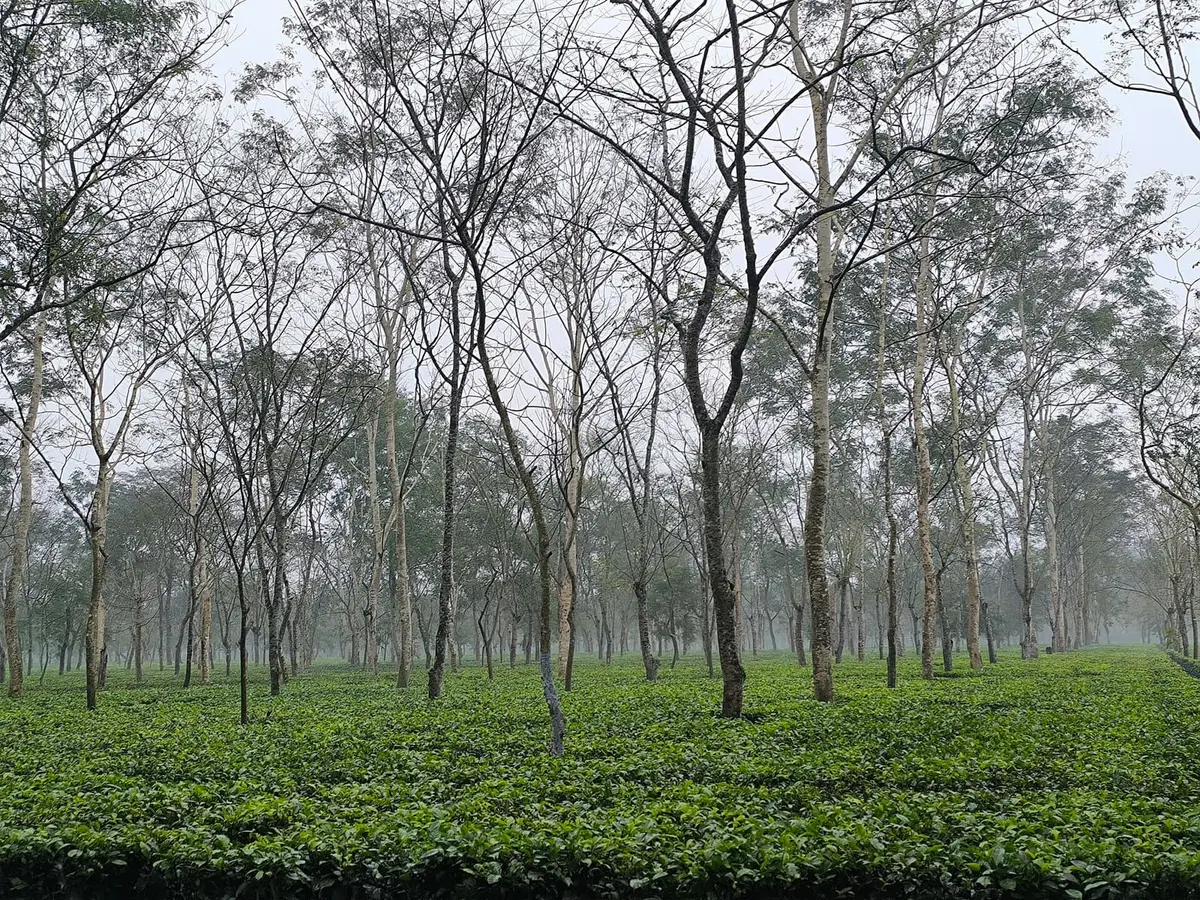
Northeast India, known as the “seven sisters” for its seven states, is a rugged triangle of land bordering Tibet, Bhutan, Myanmar and Bangladesh. It stretches from the hot, emerald tea gardens of the Brahmaputra valley to the cold heights of the lower Himalayas. About a quarter of the world’s tea is grown here.
The region covers about 8 percent of India’s land and holds about 4 percent of its people, yet it is home to more than 220 ethnic communities, each with its own culture and language.
The First Jesuits
In the 1620s, two Portuguese Jesuits, Fr. Stephen Cacella and Fr. John Cabral, passed through the region on an epic journey to Tibet, crossing Bhutan on the way. Nearly 350 years would pass before Jesuits returned to stay.
The Return in 1970
In 1970 Jesuits of the Karnataka Province in southern India were invited to open a preparatory school in Nagaland. They soon discovered that real ministry required what Company called apostolic “agility.” In some mountain districts, fewer than 10 percent of villages had medical facilities, and only slightly more were reachable by road.
So the Jesuits went to the people, into their villages, fields and lives. With each new assignment, a Jesuit lives with a host family to learn the local language and customs, and then helps to bring local symbols and music into the liturgy and the schools. Schools such as the Good Shepherd School in Gunjung teach first graders their alphabet in villages that never had a school before.
A Simple Life
The regional superior, Fr. Gregory Coelho, SJ, told Company that the Jesuits of Kohima lived on less than $2 a day. “If we lived with a higher standard than our people,” he explained, “we would be unapproachable.” The motive was not competition in penance but apostolic effectiveness.
The mission grew rapidly through local vocations, as young men from the tribes of the Northeast themselves joined the Society. The mission became the Kohima Jesuit region.
The Gospel in Every Culture
The Catechism teaches that the Church must become rooted in every culture, as Christ became truly man in one people and time (CCC 854). The drums of the Bodo Holy Thursday procession are a beautiful sign of that: the ancient liturgy of the Church, sung in the music of a people who have only recently come to know Christ.
Prayer for the Church in Northeast India (Original Prayer)
Lord of all peoples and languages, bless the Church in Northeast India. Protect the tea workers and the villages of the hills, give peace where there is conflict, and raise up many priests, sisters and catechists to proclaim Your Gospel in every tongue. Amen.
Continue Reading
Read about St. Francis Xavier, the great Jesuit apostle of India, the Jesuits in Afghanistan, or Matteo Ricci.
Frequently asked questions
Are there many Christians in Northeast India?
Yes. Christians are a small minority in India as a whole, but they are a majority in the states of Nagaland, Mizoram and Meghalaya and a significant community elsewhere in the Northeast, including many Catholics among tea-garden workers in Assam.
Who were Cacella and Cabral?
Portuguese Jesuits Fr. Estêvão Cacella and Fr. João Cabral, who in 1626–1628 traveled from Bengal through Bhutan to Shigatse in Tibet. They were among the first Europeans to visit Bhutan.
Sources
- "Voyage of Discovery," Company magazine (Summer 2003)
- Catechism of the Catholic Church, nos. 854, 1204–1206 (inculturation)