Jesuit Theater: Four Centuries of Faith on Stage
Quick answer
Theater has been part of Jesuit education almost from the beginning. The first recorded Jesuit school plays were staged in Sicily around 1550, and by the 17th century Jesuit colleges across Europe produced elaborate dramas in Latin, with music, dance and spectacular stage machinery, to teach eloquence and virtue. English Jesuit Joseph Simons wrote tragedies for St. Omers College in France. The tradition continues in the plays and musicals of Jesuit high schools and universities and in Jesuits who work as actors, directors and musicians.
Key takeaways
- The earliest Jesuit school plays date from around 1550 in Sicily.
- Baroque Jesuit drama used Latin verse, music, dance and elaborate effects.
- Joseph Simons wrote tragedies for the English Jesuit college of St. Omers in the 1620s.
- Drama taught eloquence, confidence, memory and moral lessons.
- Jesuit schools today keep a strong tradition of theater and music.
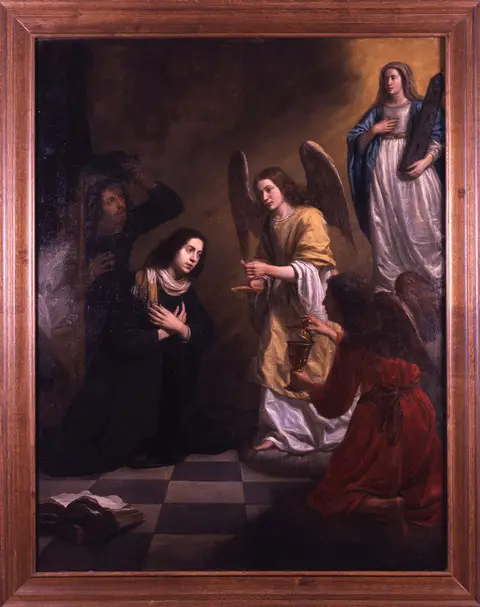
Picture a great hall in northern France on May 15, 1623. The audience murmurs; backstage, students in costume wait nervously while the playwright paces. Tonight’s play is Vitus, a tragedy by the English Jesuit Joseph Simons, with a chorus of angels and spectacular effects. Company magazine began its story of Jesuit theater with that opening night at St. Omers College, a school founded in 1592 for English Catholic boys exiled by Queen Elizabeth’s laws.
Why the Jesuits Loved the Stage
Jesuit schools were quick to include drama in their curriculum. The earliest recorded performances took place in Sicily around 1550, just after the first Jesuit school opened in Messina. Teachers saw many benefits:
- Eloquence. Acting trained students in clear, expressive speech, the goal of the Ratio Studiorum.
- Latin and the classics. Plays were usually written in Latin verse.
- Confidence and memory. Learning long roles and performing before audiences built poise.
- Virtue and faith. Stories of martyrs, saints and biblical heroes taught moral lessons and moved hearts.
- Community. Productions drew parents, nobles and townspeople to the school.
Baroque Spectacle
By the 17th century, Jesuit colleges from Vienna to Lisbon staged elaborate productions with music, ballet, painted scenery and machines that made angels fly and clouds descend. Some plays involved hundreds of students. Composers wrote music for them; at the Jesuit college of Louis-le-Grand in Paris, ballets were famous. The Jesuit playwright Jakob Bidermann wrote Cenodoxus (1602), about a proud doctor of Paris; it was said that its performance in Munich moved several members of the audience to make the Spiritual Exercises.
At St. Omers, Joseph Simons (1594–1671) wrote and directed a series of tragedies, including Vitus, Mercia and Zeno, later published as Five Tragedies. The school, which later moved to Bruges, Liège and finally Stonyhurst in England, kept the tradition for generations.
Jesuits in the Performing Arts Today
The tradition lives on. In 1996 Company held “auditions” of Jesuits in the performing arts and found actors, directors, singers and musicians, including one Jesuit playing a character in a regional production and another directing a revue of Stephen Sondheim’s music at De Smet Jesuit High School in St. Louis. Jesuit high schools across the country stage ambitious plays and musicals each year, and Jesuit universities have strong theater programs.
Jesuit Br. Rick Curry founded the National Theatre Workshop of the Handicapped in New York in 1977 to train people with disabilities for the stage. In 2009, a Georgetown musicologist revived Il Trionfo, a centuries-old oratorio, bringing early Jesuit-era music back to life.
Theater and Faith
The Church has always used drama to proclaim the faith, from medieval mystery plays to the Passion plays still performed today. Art that is good and true can lead the soul to God (CCC 2500–2502). For Jesuit schools, the stage has always been a classroom for the whole person.
Prayer for Performers and Artists (Original Prayer)
Lord God, You gave us voices to sing and stories to tell. Bless all actors, musicians and directors. May their gifts bring joy, truth and beauty to the world, and may every performance give You glory. Amen.
Continue Reading
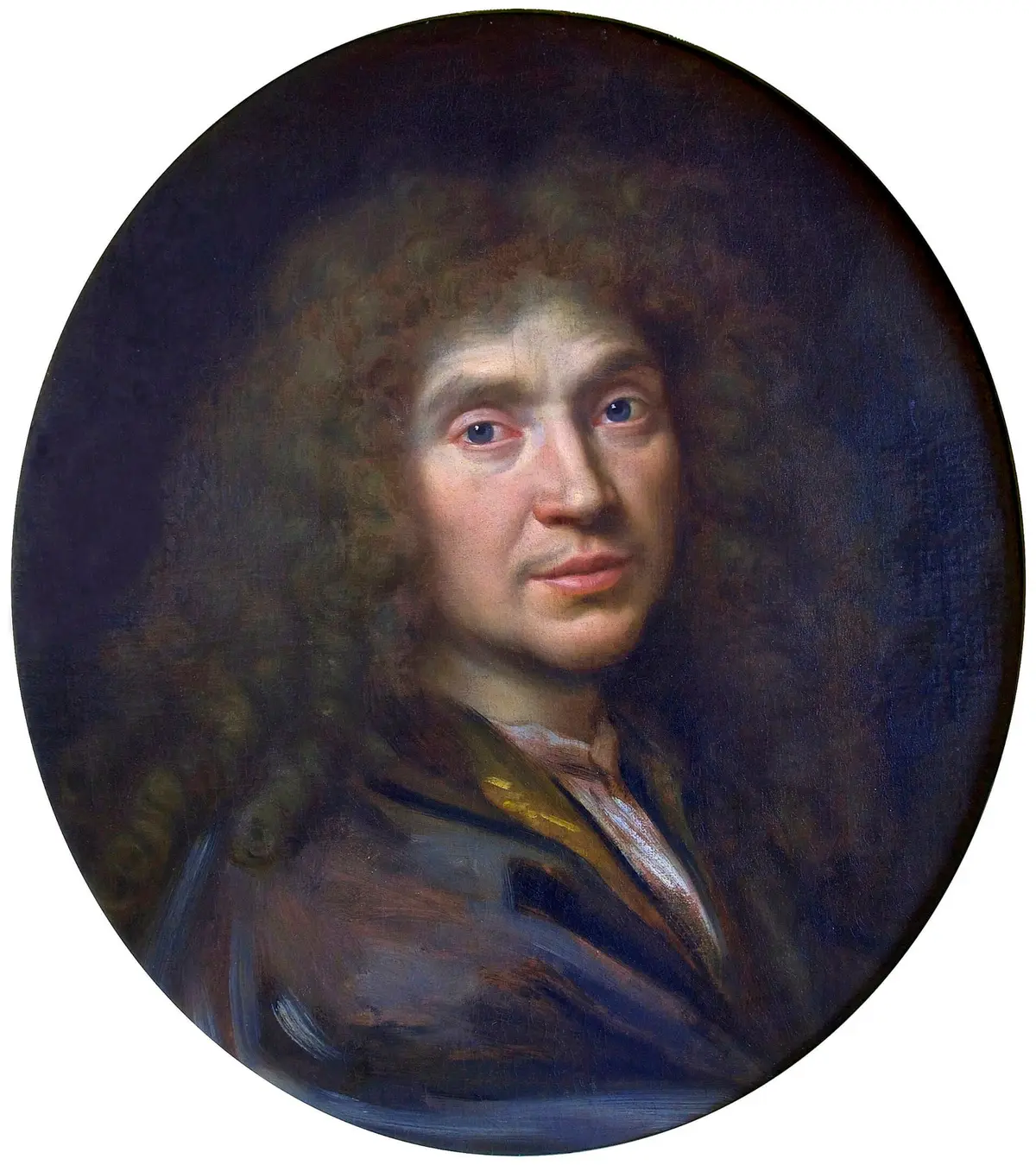
Read about Jesuit education, the Ratio Studiorum, or famous Jesuit alumni such as Molière and Bob Newhart.
Frequently asked questions
Why did Jesuit schools use theater?
To train students in eloquence, poise and memory, to teach Latin and the classics, and to present moral and religious lessons in a vivid way that moved audiences of parents and townspeople.
What was a typical Jesuit play about?
Stories of saints and martyrs, biblical figures and heroes of history, often written in Latin by the teachers themselves, with choruses, allegorical figures and stage effects.
Sources
- "Open Call: Jesuits in the Performing Arts" and "Opening Night," Company magazine (Winter 1996)
- "The World's a Stage," Company magazine (Fall 2004)
- William H. McCabe, SJ, An Introduction to the Jesuit Theater (Institute of Jesuit Sources, 1983)