End Times Prophecy: What the Catholic Church Really Teaches
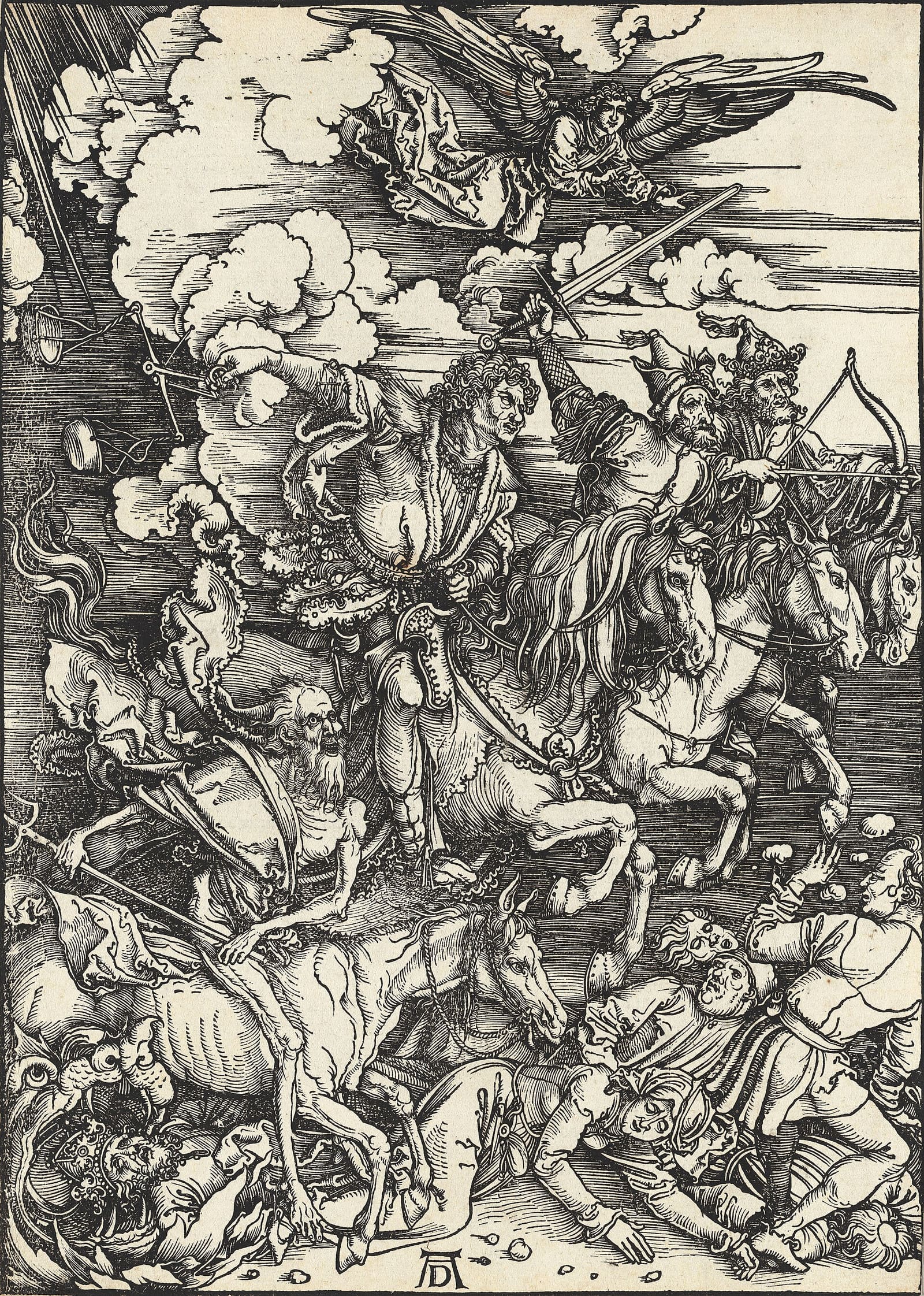
Quick answer
The Catholic Church teaches that Christ will come again in glory to judge the living and the dead, and that the Church will pass through a final trial beforehand. No one knows the day or the hour. Private prophecies are not part of the faith, and they should never be used to set dates or to reject the Church's legitimate pastors.
Key takeaways
- Christ will come again in glory, but no one knows when (Matthew 24:36; CCC 673).
- The Catechism speaks of a final trial that will shake the faith of many believers (CCC 675).
- Private revelations do not add to the faith (CCC 67).
- The right response to the end times is watchfulness, charity and peace.
Every generation has been convinced that it is the last. Famous predictions have come and gone. The Church’s teaching on the end of time is simpler and more peaceful than the headlines.
What We Know for Certain
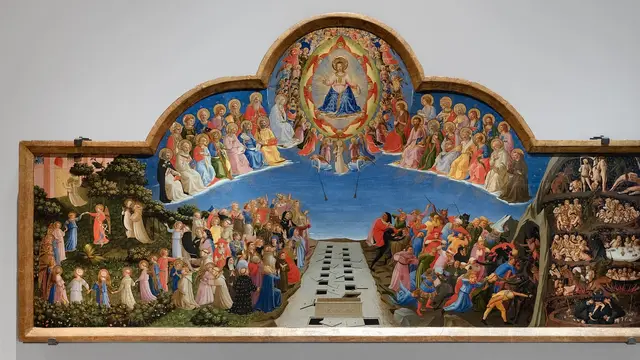
Each Sunday we profess in the Creed that Christ “will come again in glory to judge the living and the dead.” That is a truth of faith.
We also know what we do not know. “But of that day and hour no one knoweth” (Matthew 24:36, Douay-Rheims). The Risen Lord told His apostles that it was not for them to know the times (Acts 1:7).
The Church’s Final Trial
The Catechism teaches that before Christ’s second coming, the Church must pass through a final trial that will shake the faith of many believers (CCC 675). It speaks of a supreme religious deception that offers people an apparent solution to their problems at the price of apostasy from the truth, in which man glorifies himself in place of God.
The Church will enter the glory of the Kingdom only through this final Passover, following her Lord in His death and Resurrection (CCC 677). The final triumph belongs to God.
What About Prophecies?
Catholic history includes many prophecies attributed to saints and visionaries. Some are authentic. Others are forged, altered or misattributed. Collections on the internet frequently mix all of these together.
Remember these principles:
- Private revelation adds nothing to the faith. Its role is to help us live the faith in a certain period (CCC 67).
- The Church examines claims carefully. The Holy See issued new norms for discernment of such claims in 2024.
- Beware of date-setting. Dates pass, and faith can be damaged.
- Beware of prophecies that lead you away from the Church. Christ promised that the gates of hell would not prevail (Matthew 16:18).
How Should We Live?
Jesus tells us to watch and be ready (Matthew 25:13). In practice that means a good confession, faithful prayer, works of mercy and peace in our hearts. Someone who is in God’s friendship has nothing to fear, whether the end of the world comes tomorrow or in ten thousand years.
A Prayer of Watchfulness (Original Prayer)
Come, Lord Jesus. Keep me awake and ready. Free me from fear and from foolish speculation. Find me faithful when You come, in my family, in my work and in my love for those in need. Amen.
Continue Reading
Read do Catholics believe in the Rapture? and the Church’s teaching on the popes and heaven.
Frequently asked questions
Do Catholics believe in the Rapture?
Not in the popular sense of believers being secretly removed from the earth before a time of tribulation. The Church teaches a single, glorious return of Christ.
Do Catholics believe in the Antichrist?
The Catechism speaks of a supreme religious deception before Christ's return, in which man glorifies himself in place of God (CCC 675).
Are prophecies claiming that the Church has been taken over reliable?
Claims that the Church's legitimate pastors are impostors contradict Christ's promise to the Church (Matthew 16:18). Catholics should be cautious with any private prophecy, especially one that leads people away from the Church.
Sources
- Catechism of the Catholic Church 67, 668-682, 1038-1041
- Dicastery for the Doctrine of the Faith, Norms for Proceeding in the Discernment of Alleged Supernatural Phenomena (2024)
- Matthew 16:18; 24:36; 25:13; Acts 1:7; 1 Thessalonians 5:1-6