The Popes: 20 Important Popes from St. Peter to Leo XIV
Quick answer
The pope is the Bishop of Rome and the successor of St. Peter, the visible head of the Catholic Church on earth. Jesus entrusted a unique role to Peter, and the Church has handed on that ministry in an unbroken line. Pope Leo XIV, elected on May 8, 2025, is the 267th pope.
Key takeaways
- The pope is the Bishop of Rome and the successor of St. Peter, the apostle to whom Christ gave the keys of the Kingdom (Matthew 16:18-19).
- Pope Leo XIV, elected on May 8, 2025, is the 267th pope and the first from the United States.
- Cardinals under the age of 80 elect a new pope in a conclave in the Sistine Chapel.
- Papal infallibility applies only in specific, solemn circumstances, and it does not mean that a pope cannot sin or make mistakes.
- The Catholic Church recognizes each of the popes since Vatican II as a legitimate successor of St. Peter.
For almost two thousand years, the Catholic Church has been led by a line of men stretching back to a Galilean fisherman. Some were martyrs. Some were scholars or reformers. A few were poor examples, and the Church has never hidden that. Together they tell an extraordinary story of God’s faithfulness to His Church.
What Is a Pope?
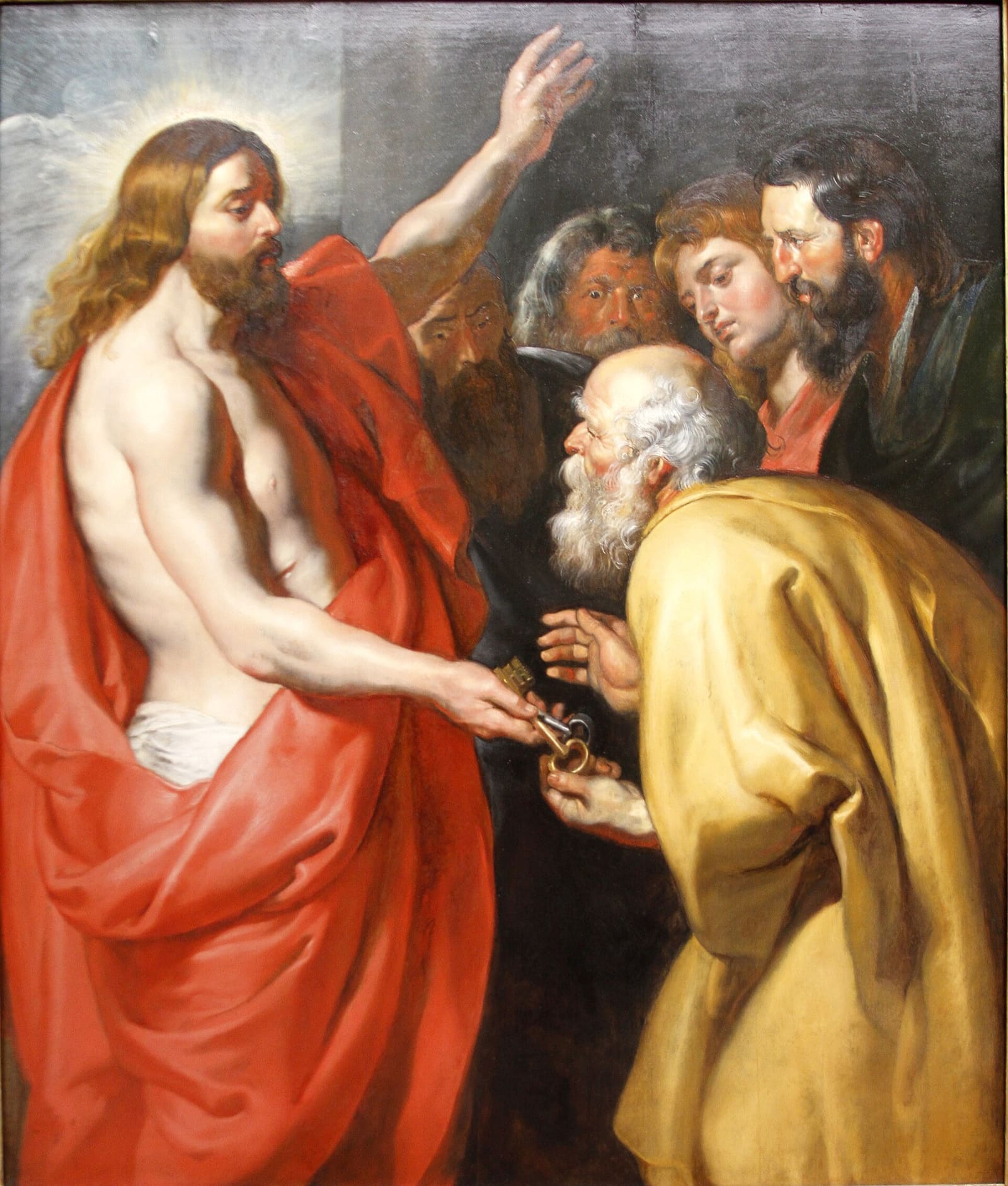
The word pope comes from a word meaning “father.” The pope is the Bishop of Rome and the successor of St. Peter. He is the visible source and foundation of the unity of the Church (CCC 882).
This office rests on the words of Jesus:
Thou art Peter; and upon this rock I will build my church, and the gates of hell shall not prevail against it. And I will give to thee the keys of the kingdom of heaven. (Matthew 16:18-19, Douay-Rheims)
Our Lord also prayed that Peter’s faith would not fail (Luke 22:32), and after the Resurrection told him three times to feed His sheep (John 21:15-17).
Peter went to Rome and died there as a martyr. The bishops of Rome who followed him inherited his responsibility, as the Catechism explains (CCC 880-882, 936-937).
How Is a Pope Chosen?
When a pope dies or resigns, the College of Cardinals gathers in Rome. Cardinals under the age of 80 enter a conclave in the Sistine Chapel, cut off from the outside world, and vote in secret. A two-thirds majority is required. Black smoke from the chapel chimney means no decision has been reached, and white smoke tells the world that there is a new pope.
20 Important Popes
| Pope | Reign | Why he is remembered |
|---|---|---|
| St. Peter | d. about 64–67 | Prince of the Apostles and the first pope, martyred in Rome |
| St. Fabian | 236–250 | A layman elected unexpectedly; martyred under the emperor Decius |
| St. Felix I | 269–274 | Led the Church during the persecutions of the third century |
| St. Marcellus I | 308–309 | Reorganized the Church in Rome after the persecution of Diocletian |
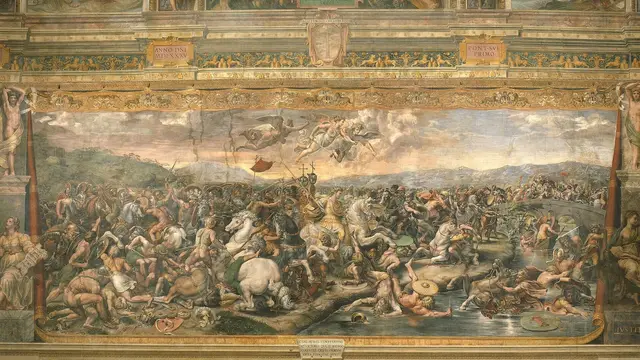
| St. Sylvester I | 314–335 | Pope during the reign of Constantine and the Council of Nicaea |
| St. Leo the Great | 440–461 | Defended the truth about Christ at Chalcedon and met Attila the Hun |
| St. Gregory the Great | 590–604 | Monk, teacher and Doctor of the Church; sent missionaries to England |
| St. Gregory VII | 1073–1085 | Reformer who defended the Church’s freedom from secular rulers |
| Innocent III | 1198–1216 | Called the Fourth Lateran Council and approved St. Francis’s way of life |
| St. Pius V | 1566–1572 | Carried out the reforms of Trent; published the Roman Missal of 1570 |
| Bl. Pius IX | 1846–1878 | Defined the Immaculate Conception and convened the First Vatican Council |
| Leo XIII | 1878–1903 | Wrote Rerum Novarum on workers’ rights; promoted the Rosary |
| St. Pius X | 1903–1914 | Encouraged frequent Communion and Communion for young children |
| Pius XI | 1922–1939 | Established the feast of Christ the King; condemned Nazism in Mit brennender Sorge |
| Ven. Pius XII | 1939–1958 | Led the Church through World War II; defined the Assumption in 1950 |
| St. John XXIII | 1958–1963 | Convened the Second Vatican Council |
| St. Paul VI | 1963–1978 | Brought the Council to completion; wrote Humanae Vitae |
| St. John Paul II | 1978–2005 | Traveled the world; promulgated the Catechism of the Catholic Church |
| Benedict XVI | 2005–2013 | Theologian and teacher; the first pope to resign in nearly 600 years |
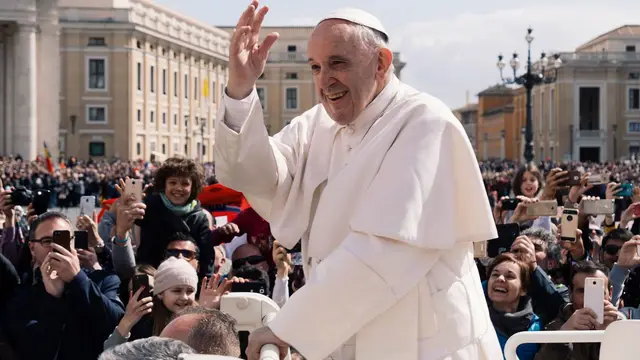
| Francis | 2013–2025 | First pope from the Americas; proclaimed the Year of Mercy |
Today the Church is led by Pope Leo XIV, born Robert Francis Prevost in Chicago and elected on May 8, 2025. According to the Holy See, he is the first pope from the United States and the first from the Order of St. Augustine. His order takes its rule from St. Augustine of Hippo.
What Infallibility Means, and Doesn’t Mean
Many people misunderstand this teaching. It does not say the pope is sinless, or that he is right about politics, science or anything else he happens to say.
The Catechism teaches that the pope is protected from error when, as supreme teacher of all the faithful, he definitively proclaims a doctrine of faith or morals (CCC 891). This has been done very rarely. The best-known examples are the definitions of the Immaculate Conception in 1854 and the Assumption in 1950.
Good Popes and Bad Popes
Honesty about the Church’s history includes admitting that some popes lived scandalous lives. This should not shake our faith. St. Peter denied Jesus three times, and Our Lord still entrusted the Church to him. The promise of Christ rests on His own faithfulness, not on the personal merits of those He calls.
Traditional Prayer for the Pope
Let us pray for our Pope, Leo. May the Lord preserve him, give him life, make him blessed upon the earth, and deliver him not to the will of his enemies. Amen.
A Prayer for the Church (Original Prayer)
Lord Jesus, You promised to be with Your Church always. Give our Holy Father wisdom, courage and good health. Bless our bishops and priests. Heal our divisions and make us one, as You and the Father are one. Amen.
Continue Reading
Read what it means to be Catholic, learn about the different types of Catholics, or explore what the Bible says about Catholicism.
Frequently asked questions
How many popes have there been?
Pope Leo XIV is counted as the 267th pope. The figure has varied a little in different lists, because a few elections in the early and medieval Church are historically unclear.
What does papal infallibility mean?
The Catechism teaches that the pope is preserved from error when, as supreme teacher of all the faithful, he definitively proclaims a doctrine of faith or morals (CCC 891). It does not mean he is sinless, or that everything he says is free of error.
Who was the longest-reigning pope?
Apart from St. Peter, whose exact length of reign is unknown, Blessed Pius IX reigned the longest, for more than 31 years, from 1846 to 1878. St. John Paul II comes next, at more than 26 years.
How many popes are saints?
Roughly 80 popes are venerated as saints, a large share of them from the first centuries of the Church, when many died as martyrs.
Is it true that there has been no valid pope since Vatican II?
That claim, known as sedevacantism, is not the teaching of the Catholic Church. The Church recognizes the Second Vatican Council as an ecumenical council and each of the popes since then as a legitimate successor of St. Peter. Popes can be criticized for their decisions, but that does not make the Chair of Peter empty.
Sources
- Matthew 16:18-19; Luke 22:32; John 21:15-17
- Catechism of the Catholic Church 880-882, 891, 936-937
- St. John Paul II, Apostolic Constitution Universi Dominici Gregis (1996)
- Biography of the Holy Father Leo XIV (Holy See)