The Feast of the Immaculate Conception: What It Means and Why It Matters
Quick answer
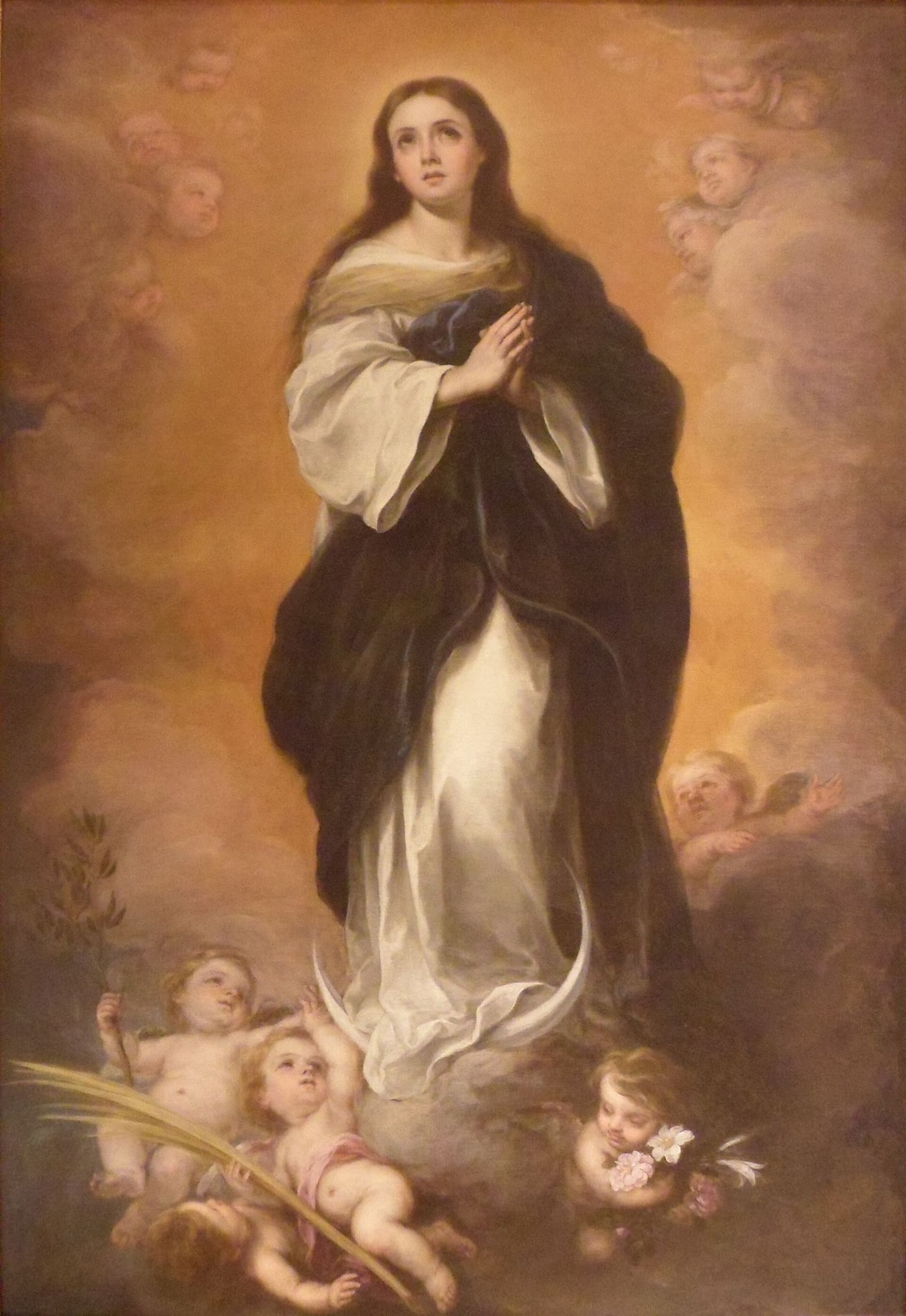
The Immaculate Conception is the Catholic teaching that the Virgin Mary, by a singular grace of God and in view of the merits of Jesus Christ, was preserved from all stain of original sin from the first instant of her conception. Pope Pius IX defined it as dogma in 1854. The feast is celebrated on December 8 and is the patronal feast of the United States. It is usually a holy day of obligation.
Key takeaways
- The dogma is about Mary's conception in her mother's womb, not the conception of Jesus.
- Mary was saved by Christ, but in a unique way, by being preserved from sin rather than cleansed of it.
- Pope Pius IX defined it in the bull Ineffabilis Deus on December 8, 1854.
- At Lourdes in 1858, Our Lady told St. Bernadette, "I am the Immaculate Conception."
In the middle of Advent, the Church pauses to celebrate the woman God prepared to be the Mother of His Son. December 8 is the Solemnity of the Immaculate Conception.
What the Church Teaches
Many people think the Immaculate Conception refers to Jesus. It refers to Mary. In 1854 Pope Pius IX solemnly defined:
The most Blessed Virgin Mary, in the first instance of her conception, by a singular grace and privilege granted by Almighty God, in view of the merits of Jesus Christ, the Savior of the human race, was preserved free from all stain of original sin. (Ineffabilis Deus)
Every other human being inherits original sin, the loss of the original holiness God gave our first parents. Mary was conceived in the ordinary way by her parents, but from the first moment of her life she was full of grace.
“Full of Grace”
The angel Gabriel greeted her: “Hail, full of grace, the Lord is with thee” (Luke 1:28, Douay-Rheims). The Church sees in these words a sign that Mary had always been filled with God’s life. The Catechism explains that to become the Mother of the Savior, Mary “was enriched by God with gifts appropriate to such a role” (CCC 490).
Saved by Christ
Mary needed a Savior too, and she says so in the Magnificat. She was redeemed by Christ’s death and Resurrection, but in a unique way. Blessed John Duns Scotus, a Franciscan theologian of the thirteenth century, explained it simply: it is a greater thing to be preserved from falling than to be lifted up after a fall (CCC 492).
A Long History
Christians in the East celebrated Mary’s conception from at least the eighth century, and the feast spread in the West in the Middle Ages. Theologians debated the teaching for centuries. After consulting bishops around the world, Pope Pius IX defined it as dogma on December 8, 1854.
Four years later, at Lourdes, a poor girl named Bernadette asked the Lady in the grotto her name. She answered, “I am the Immaculate Conception.”
Patroness of the United States
In 1846 the bishops of the United States chose Mary, under the title of her Immaculate Conception, as patroness of the nation. The National Shrine in Washington, D.C., is dedicated to her.
How to Keep the Day
Attend Mass, pray the Rosary, or pray the Miraculous Medal prayer: “O Mary, conceived without sin, pray for us who have recourse to thee.”
A Prayer on the Immaculate Conception (Original Prayer)
Mary Immaculate, God kept you pure for His Son. Help me turn from sin this Advent and prepare a clean heart for Jesus. Pray for our country and our families. Amen.
Continue Reading
Read about St. Bernadette of Lourdes, St. Catherine Labouré and the Miraculous Medal, or what the Church believes about Mary.
Frequently asked questions
Is the Immaculate Conception about Jesus being conceived without a man?
No. That is the virginal conception of Jesus. The Immaculate Conception is about Mary herself being free from original sin from the moment she was conceived by her parents, traditionally named Joachim and Anne.
Is December 8 a holy day of obligation?
In the United States, yes. When it falls on a Sunday of Advent the feast moves to December 9, and in that case the obligation does not transfer.
Did Mary need a Savior?
Yes. She herself called God "my Saviour" (Luke 1:47). She was redeemed by Christ in a more exalted way, preserved from sin in view of His merits.
Sources
- Pope Pius IX, Apostolic Constitution Ineffabilis Deus (December 8, 1854)
- Catechism of the Catholic Church, nos. 490–493
- Gospel of Luke 1:28 (Douay-Rheims)
- United States Conference of Catholic Bishops, Holy Days of Obligation