Sunday Lectionary Cycles A, B and C Explained
Quick answer
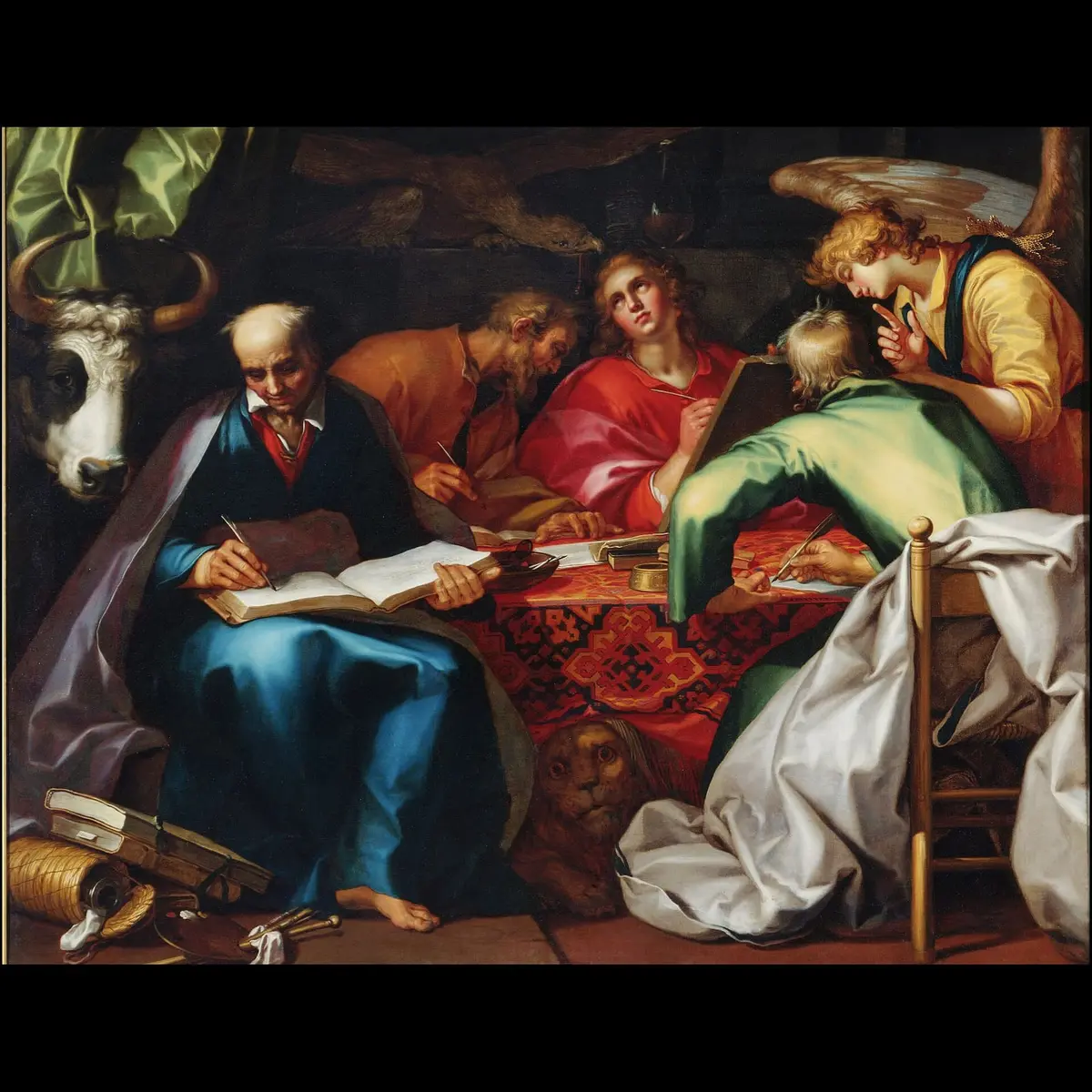
Since 1970 the Catholic Church has read the Sunday Scriptures on a three-year cycle. Year A follows the Gospel of Matthew, Year B the Gospel of Mark (with John 6), and Year C the Gospel of Luke, while John is read in Lent, Easter and on other occasions. The cycle changes on the First Sunday of Advent. The liturgical year that began in Advent 2025 is Year A; from November 29, 2026, the Church reads Year B.
Key takeaways
- Year A is Matthew, Year B is Mark, Year C is Luke.
- The new cycle starts on the First Sunday of Advent, not January 1.
- If the calendar year in which the cycle ends is divisible by three, it is Year C.
- Weekdays have a separate two-year cycle (Year I and Year II) for the first reading.
If you go to Mass every Sunday for three years, you will hear most of the four Gospels proclaimed. That is by design. The Church’s Sunday readings follow a three-year cycle called Years A, B and C.
Why a Three-Year Cycle?
Before 1970, the Roman Missal used the same Sunday readings every year. The Second Vatican Council asked that “the treasures of the Bible are to be opened up more lavishly, so that richer fare may be provided for the faithful at the table of God’s word” (Sacrosanctum Concilium 51). The new Lectionary for Mass, introduced in 1970, spread the Sunday readings across three years.
Which Gospel in Which Year
| Year | Main Gospel | Notes |
|---|---|---|
| A | Matthew | Sermon on the Mount, parables of the Kingdom |
| B | Mark | Mark is short, so John 6 (the Bread of Life) is read in the summer |
| C | Luke | Parables of mercy: the Prodigal Son, the Good Samaritan |
The Gospel of John is read every year during Lent and Easter, and on some other feasts.
Each Sunday also has a first reading, usually from the Old Testament and chosen to match the Gospel, a responsorial psalm, and a second reading from the letters of the apostles.
How to Tell Which Year It Is
The new cycle begins on the First Sunday of Advent. A simple rule: take the calendar year in which the liturgical year ends. If it divides evenly by three, it is Year C. The next year is A, then B.
| Liturgical year | Begins | Cycle |
|---|---|---|
| 2025–2026 | November 30, 2025 | Year A |
| 2026–2027 | November 29, 2026 | Year B |
| 2027–2028 | November 28, 2027 | Year C |
The Weekday Cycle
Weekday Masses use a separate two-year cycle for the first reading. Year I is used in odd-numbered years and Year II in even-numbered years. The weekday Gospels are the same every year.
The Lenten Gospels of Year A
In Year A, the third, fourth and fifth Sundays of Lent have three great Gospels from John:
- The Samaritan woman at the well (John 4), Christ the living water.
- The man born blind (John 9), Christ the light.
- The raising of Lazarus (John 11), Christ the resurrection and the life.
They accompany the scrutinies, rites for adults preparing for Baptism at Easter. Parishes that celebrate the scrutinies may use these readings every year.
Using the Cycle at Home and in Groups
Many parish small groups read the coming Sunday’s Gospel together during the week, so they arrive at Mass ready to listen. Programs such as Disciples in Mission prepared a different set of Lenten materials for each cycle. You can do the same at home: read Sunday’s Gospel on Saturday evening, and ask each family member what stood out.
A Prayer Before the Sunday Readings (Original Prayer)
Lord, Your word is a lamp to my feet. Open my ears this Sunday to hear You in the Scriptures, and my heart to live what I hear. Amen.
Continue Reading
Read about small faith-sharing groups, the Catholic Bible, or when Advent starts.
Frequently asked questions
What lectionary year is it in 2026?
From Advent 2025 to November 28, 2026, the Church is in Year A. From the First Sunday of Advent, November 29, 2026, it is Year B.
Why did the Church create a three-year cycle?
The Second Vatican Council asked that "the treasures of the Bible be opened up more lavishly" so that a richer share of Scripture would be read to the people over a set number of years (Sacrosanctum Concilium 51).
Why are the Year A Lenten Gospels sometimes read in other years?
The Gospels of the Samaritan woman, the man born blind and the raising of Lazarus accompany the scrutinies of those preparing for Baptism at Easter. Parishes celebrating the scrutinies may use them every year.
Sources
- Second Vatican Council, Sacrosanctum Concilium, no. 51
- Lectionary for Mass, Introduction (1981), nos. 66, 97–98
- Universal Norms on the Liturgical Year and the Calendar